Reg No. - CHHBIL/2010/41479ISSN - 2582-919X

Govt Clears Trial of Polymer ₹10, ₹20 Banknotes; RBI Procurement Process Begins
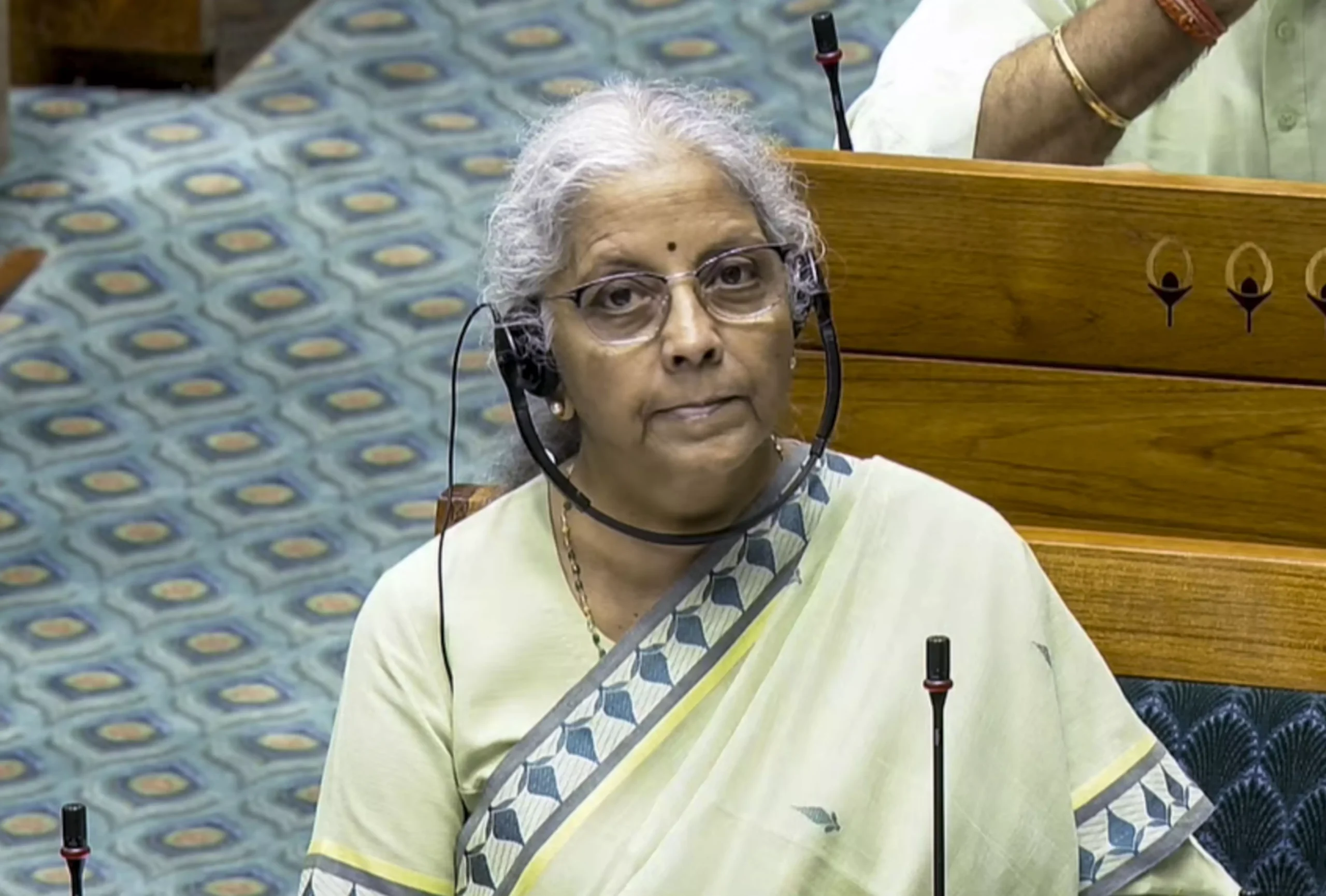
Union Finance Minister Nirmala Sitharaman in Parliament on Tuesday, August 11, 2026. The government has approved the RBI’s proposal for field trials of polymer ₹10 and ₹20 banknotes, with one billion pieces of each denomination proposed for testing-Photo Credit:PTI
Key Factors
- Government approves field trials of ₹10 and ₹20 polymer banknotes.
- RBI has proposed one billion notes of each denomination for the trials.
- Polymer notes will initially circulate alongside existing paper banknotes.
- Procurement is at an early stage; no launch date has been fixed yet.
- Regular issuance will depend on the outcome of the field trials.
- Retail inflation stood at 3.9% in Q1 of 2026-27, according to the Finance Minister.
One billion pieces of each denomination proposed for field trials; polymer notes will circulate alongside existing paper currency
New Delhi: The Union government has approved a proposal for the introduction of polymer banknotes in ₹10 and ₹20 denominations on a trial basis, marking a significant step towards testing more durable alternatives to conventional paper currency.
Finance Minister Nirmala Sitharaman informed the Rajya Sabha on Tuesday, August 11, 2026, that the Reserve Bank of India (RBI), following the recommendation of its Central Board, had submitted the proposal to the government under Section 25 of the Reserve Bank of India Act, 1934.
Under the proposal, one billion pieces each of ₹10 and ₹20 polymer banknotes are planned for field trials. Regular issuance could be considered after successful completion and assessment of the trials.
“The proposal has been approved by the government. As per the RBI, these polymer banknotes are proposed to be issued along with paper substrate-based banknotes,” Sitharaman said in her written reply.
The Finance Minister clarified that the procurement process is still at an initial stage. Consequently, the government is currently unable to specify either an exact timeframe for introducing the polymer notes or the expenditure involved.
Polymer Notes Will Not Immediately Replace Paper Currency
The proposed polymer notes are intended to circulate alongside existing paper-based ₹10 and ₹20 notes during the trial phase. The exercise will allow the RBI to evaluate their performance before taking a decision on regular issuance.
Polymer banknotes are generally designed to withstand greater wear and handling than conventional paper notes, although the government’s parliamentary reply, as reported, primarily focused on the approval and proposed field trials.
Retail Inflation at 3.9% in First Quarter
Responding to another question, Sitharaman said average retail inflation, measured by the Consumer Price Index, declined from 5.4% in 2023-24 to 4.6% in 2024-25 and 2.1% in 2025-26.
Retail inflation, however, increased to 3.9% in the first quarter of 2026-27, which the Finance Minister attributed to factors including global energy prices linked to the West Asia crisis, seasonal increases in vegetable prices and expected unfavourable El Niño conditions.
Despite the increase, she pointed out that inflation remained below the RBI’s 4% target.
The Finance Minister also referred to GST rate rationalisation and customs-duty measures undertaken by the government to contain costs and encourage domestic manufacturing and exports. She said reductions in duties on edible oils and other commodities, along with the reduction in central excise duty on petrol and diesel in March 2026, were among the measures aimed at easing price pressures.
She further said income-tax relief announced by the government had increased disposable income and supported household consumption.

YOU MAY LIKE THIS