Reg No. - CHHBIL/2010/41479ISSN - 2582-919X

Chhattisgarh’s largest-ever supplementary budget of ₹35,000 crore: Development, discipline, and a strong foundation for the future – Finance Minister O P Choudhary
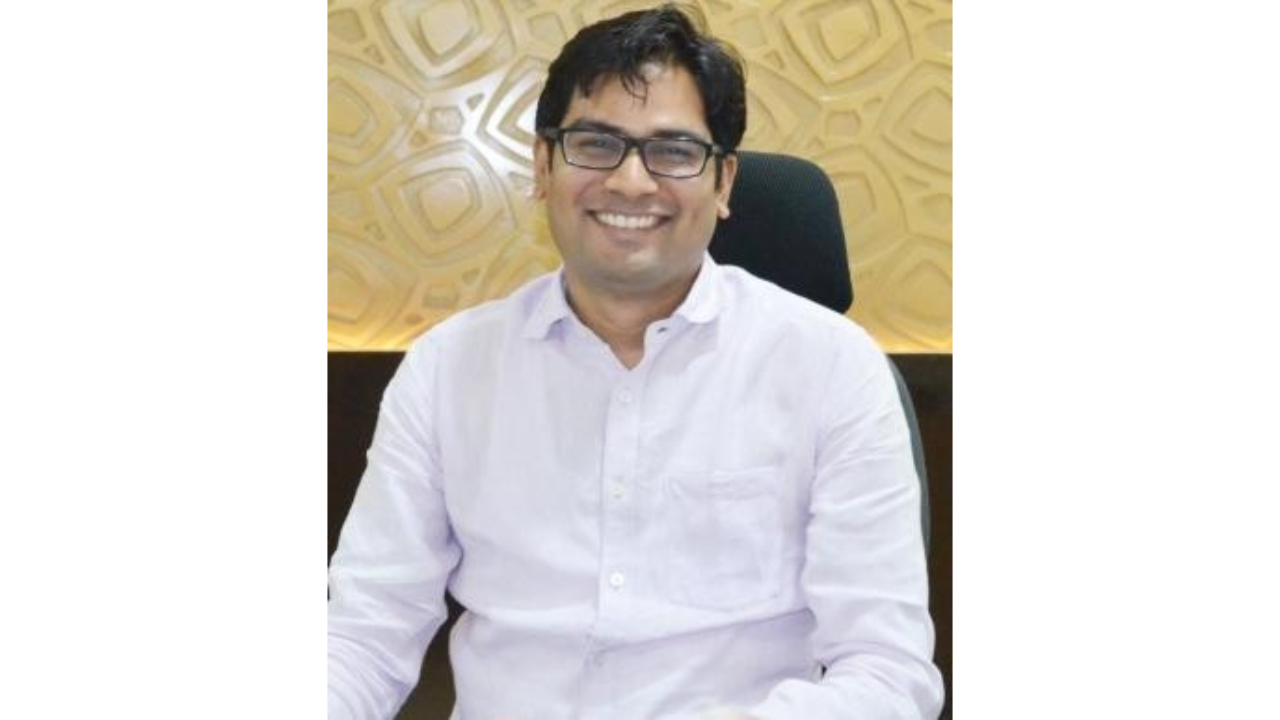
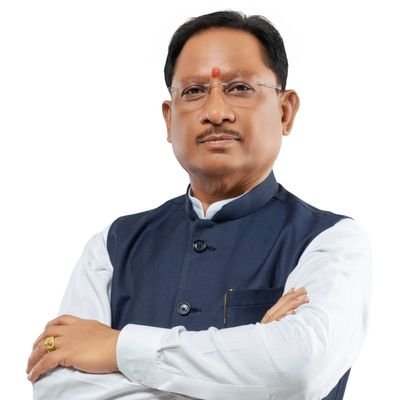
Finance Minister O P Chaudhary presents Chhattisgarh’s supplementary Budget in assembly on Tuesday December 16, 2025 -File Photo
Raipur: The Chhattisgarh government has demonstrated a clear commitment to development, fiscal discipline, and visionary governance by presenting the largest supplementary budget in the state’s history, amounting to ₹35,000 crore.
Finance Minister O.P. Choudhary stated that this supplementary budget is not merely about resource allocation, but a strong step towards sustained economic progress and balanced development.
The Finance Minister said that the pending debt of over ₹45,000 crore left by the previous government on various boards and corporations had rendered these institutions almost defunct. Through this supplementary budget, the government has made a serious effort to strengthen crucial institutions like Markfed and NAAN, which are the backbone of paddy procurement and the public distribution system in the state. Without strengthening these institutions, the welfare of farmers and the food security of citizens cannot be ensured.
He said that under the leadership of Chief Minister Vishnu Deo Sai, the government has given equal priority to industrial development. A provision of ₹360 crore has been made in the supplementary budget to accelerate industrial activities in the state and provide continuity to various industrial development and incentive schemes, which will boost investment, employment, and production capacity.
The Finance Minister said that for the overall and balanced development of the state, revenue expenditure alone is not sufficient; rather, visionary capital expenditure forms the basis of a prosperous future economy and robust infrastructure. Investments in areas such as roads, bridges, irrigation, electricity, education, health, and digital connectivity create sustainable sources of development for decades to come. With this vision, the government has made capital expenditure the cornerstone of its development strategy.
He informed that in the last 25 years since the formation of Chhattisgarh state, there has been a historic increase of approximately 55 times in capital expenditure. In the financial year 2022-23, capital expenditure was ₹13,320 crore, which increased to ₹15,419 crore in 2023-24 and further to ₹20,055 crore in 2024-25. The main budget for 2025-26 allocates ₹26,341 crore for capital expenditure, with an additional ₹2,000 crore provided in the supplementary budget.
The Finance Minister stated that capital expenditure has also increased significantly as a proportion of the total budget. While it was approximately 3.5 percent during the previous government’s tenure, it is expected to reach 4.1 percent in 2025-26. This clearly demonstrates that the government is giving top priority to long-term development and robust infrastructure creation.
Concluding his statement, Finance Minister Mr. O.P. Choudhary said that this government believes in results, not just promises. Through capital expenditure, the government is translating its resolutions from paper to reality. The government’s clear objective is to make Chhattisgarh economically strong, robust in terms of infrastructure, and establish it among the leading states of the country.
The supplementary budget also gives special priority to the road and building construction sector. Additional financial provisions have been made to ensure the timely completion of infrastructure-related construction projects. Under this, ₹175 crore has been allocated for the Rural Roads Program (RRP Phase-2) to strengthen connectivity in rural areas. An additional ₹150 crore has been allocated under the Chhattisgarh State Road Sector Project (ADB Loan-3) for the upgradation and expansion of major roads in the state. Furthermore, a significant step has been taken to further strengthen the regional transport network with an allocation of ₹86 crore for the Chirmiri-Nagpur Halt rail line project.
The supplementary budget also prioritises agricultural development and farmer welfare with comprehensive financial provisions. With the objective of increasing farmers’ income and making agriculture modern and profitable, a provision of ₹2,000 crore has been made in the supplementary budget for the Agricultural Development Scheme. In addition, a provision of ₹1,700 crore has been made to provide free electricity to farmers for pumps up to 5 HP, which will reduce irrigation costs and provide sustainable support to agricultural production. To provide financial support to farmers, a provision of ₹187 crore has been made in the supplementary budget to provide them with interest-free loan facilities.
Furthermore, a provision of ₹122 crore has been made under the Pradhan Mantri Fasal Bima Yojana (Prime Minister’s Crop Insurance Scheme) to ensure protection against crop risks, while a provision of ₹35 crore has been made for the Pradhan Mantri Krishi Sinchai Yojana (Prime Minister’s Agricultural Irrigation Scheme) to enhance water management and irrigation capacity in the agricultural sector. To promote agricultural innovation and research, a provision of ₹4 crore has been made for the construction of a Biotech Incubation Center building, aiming to give new impetus to agriculture-based innovation and technological development in the state.
The supplementary budget places special emphasis on strengthening food security and nutrition systems. A total provision of ₹19,224 crore has been made in the supplementary budget to settle pending payments left by the previous government, thereby providing stability to the public distribution system and food security mechanism. Under this, a provision of ₹6,800 crore has been made under the Chief Minister’s Foodgrain Assistance Scheme to benefit eligible beneficiaries.
The supplementary budget places special emphasis on strengthening the food security and nutrition system. A total of ₹19,224 crore has been allocated in the supplementary budget to settle pending payments left by the previous government, thereby providing stability to the public distribution system and food security mechanism. This includes a provision of ₹6,800 crore under the Chief Minister’s Food Grain Assistance Scheme to ensure the regular, uninterrupted, and quality supply of food grains to eligible beneficiaries.
Furthermore, to strengthen the crucial paddy procurement system in the state, a provision of ₹12,424 crore has been made for MARKFED to settle losses incurred in paddy procurement. This provision will not only ensure timely payments to farmers but also provide long-term stability to the state’s public distribution system and food security framework, thereby effectively protecting the nutritional and food rights of ordinary citizens.
The supplementary budget also includes significant financial provisions for strengthening road safety and environmental protection. To ensure the rapid availability of emergency services, a provision of ₹154 crore has been made in the supplementary budget for the provision of fire vehicles and modern firefighting equipment at all district and block headquarters in the state, enabling quick and effective action in the event of disasters and fire accidents.
To reduce road accidents and strengthen traffic discipline, a provision of ₹75 crore has been made for the Automatic Number Plate Recognition (ANPR) camera system. Additionally, to make the transport system more transparent and technology-enabled, a provision of ₹12 crore has been made in the supplementary budget for the construction of automated driving test tracks at all transport offices in the state.
In the direction of environmental protection and promoting clean transportation, a subsidy of ₹35 crore has been provided in the supplementary budget to encourage the use of electric vehicles. Through these initiatives, the government is not only strengthening road safety but also taking concrete steps towards pollution control and green transportation. The supplementary budget includes a total provision of ₹360 crore aimed at giving new impetus to industrial development. Under this, ₹180 crore has been allocated for the establishment of new industrial areas in the state, which will develop a favorable infrastructure for investment and provide industries with clearly defined locations and facilities. Additionally, ₹130 crore has been allocated as capital cost grants to encourage industrial units, which will boost the establishment of new enterprises and the expansion of existing units.
Furthermore, ₹25 crore has been allocated as interest subsidies to reduce the financial costs for industries and make them more competitive. Through these provisions, the state government is clearly demonstrating its commitment to promoting investment, job creation, and industrial production, which will strengthen balanced and sustainable industrial development in Chhattisgarh.
The supplementary budget also includes substantial financial provisions for empowering women and child development. To ensure the economic security, dignity, and self-reliance of women, ₹2,500 crore has been allocated in the supplementary budget for the Mahtari Vandan Yojana. Through this scheme, the state government aims to strengthen the living standards of women and enhance their role in family decision-making by providing them with regular financial assistance.
In addition, ₹225 crore has been allocated in the supplementary budget under the Saksham Anganwadi and Poshan 2.0 scheme to improve maternal and child nutrition, early childhood care, and the quality of Anganwadi services. These provisions clearly demonstrate the government’s commitment to improving nutritional levels, strengthening health indicators, and ensuring the holistic development of the future generation.
The government has made significant provisions in the budget for the overall development of rural areas and strengthening housing security. While ₹8,500 crore was allocated in the main budget for providing housing in rural areas, an additional ₹1,000 crore is being provided through the supplementary budget to ensure safe and dignified housing for rural families. Along with this, a provision of ₹378 crore has been made under the Pradhan Mantri Gram Sadak Yojana to strengthen rural infrastructure and basic services, which will further improve road connectivity in villages. A provision of ₹150 crore has been made for the Swachh Bharat Mission to promote sanitation and hygiene. To strengthen the administrative and institutional capacity of Gram Panchayats, a provision of ₹40 crore has been made for the National Gram Swaraj Abhiyan, and ₹286 crore has been allocated under the National Rural Livelihoods Mission for the livelihood empowerment of rural women and self-help groups.
Through these provisions, the government is continuously moving towards making villages self-reliant and empowered by ensuring the integrated development of housing, infrastructure, sanitation, and livelihoods in rural areas.
From air connectivity to farmer welfare and peace in Bastar: The multifaceted development strategy of the Sai government
Under the leadership of Chief Minister Vishnu Deo Sai, the Chhattisgarh government is continuously working towards the inclusive development of the state and balanced regional progress. In this regard, with the aim of strengthening air connectivity, a provision of ₹150 crore has been made in the supplementary budget for the development of Bilaspur Airport and ₹30 crore for the development of Raigarh Airport. These investments will give new impetus to regional connectivity, industrial activities, and civic amenities.
Chief Minister Sai’s government has given top priority to farmer welfare. A direct testament to the government’s sensitive and farmer-friendly policies is that more than ₹25,000 crore has been directly transferred to farmers in the last two years.
This not only strengthens the income and economic security of farmers but also provides a strong foundation for the state’s agriculture-based economy.
The Sai government has also achieved decisive results in the direction of peace and security in the state. As the deadline of March 31, 2026, approaches, the government is confident and committed that Chhattisgarh will soon be completely free from the problem of Left-Wing Extremism (LWE). Through a multifaceted strategy of peace, dialogue, development, and security, the Sai government has created an environment in which people in Naxal-affected areas are joining the mainstream of democracy and becoming participants in the journey of development.
Bastar, where once the sounds of gunfire echoed, is now witnessing cultural events like Bastar Pandum and sports festivals like the Bastar Olympics, creating a new identity.
This transformation is not merely the result of security operations, but a testament to the Sai government’s multifaceted development policy, which has re-established trust, celebration, and hope for the future on the soil of Bastar.
“This historic supplementary budget of ₹35,000 crore is a budget that will provide a strong foundation for the future of Chhattisgarh, clearly reflecting development, fiscal discipline, and sensitive governance.
This budget creates opportunities equally for farmers, women, the poor, youth, and industries. By prioritising capital expenditure, the government has resolved to strengthen the state’s economy in the long term through roads, housing, agriculture, industry, connectivity, and social security. Peace in Bastar, direct economic benefits for farmers, respect for women, and the overall development of rural areas—all these are proof that the government is pursuing a politics of results, not just promises, and is moving forward with complete commitment to establishing Chhattisgarh among the leading developed states of the country.” – Chief Minister Vishnu Deo Sai

YOU MAY LIKE THIS