Reg No. - CHHBIL/2010/41479ISSN - 2582-919X
Chhattisgarh proposes PPP model for 207 IGNITE schools, will retain full ownership of assets
Existing students would continue to receive free education. The proposal also provides for additional free seats for disadvantaged children and CBSE-based English-medium education in rural areas and at block headquarters.
Key Highlights
- The proposal covers 103 primary and 104 middle schools across five divisions.
- The state would retain 100 per cent ownership of school land, buildings and other assets. A selected agency would operate and maintain the schools for 30 years, with a performance-based extension of up to 10 years.
- Existing students would continue to study free of charge up to the highest class offered by their school. Additional free seats would supplement the 25 per cent reservation under the Right to Education Act.
- The proposal provides for regulated fees, annual academic audits and contract termination for two consecutive years of unsatisfactory performance. No operating agency has been selected.
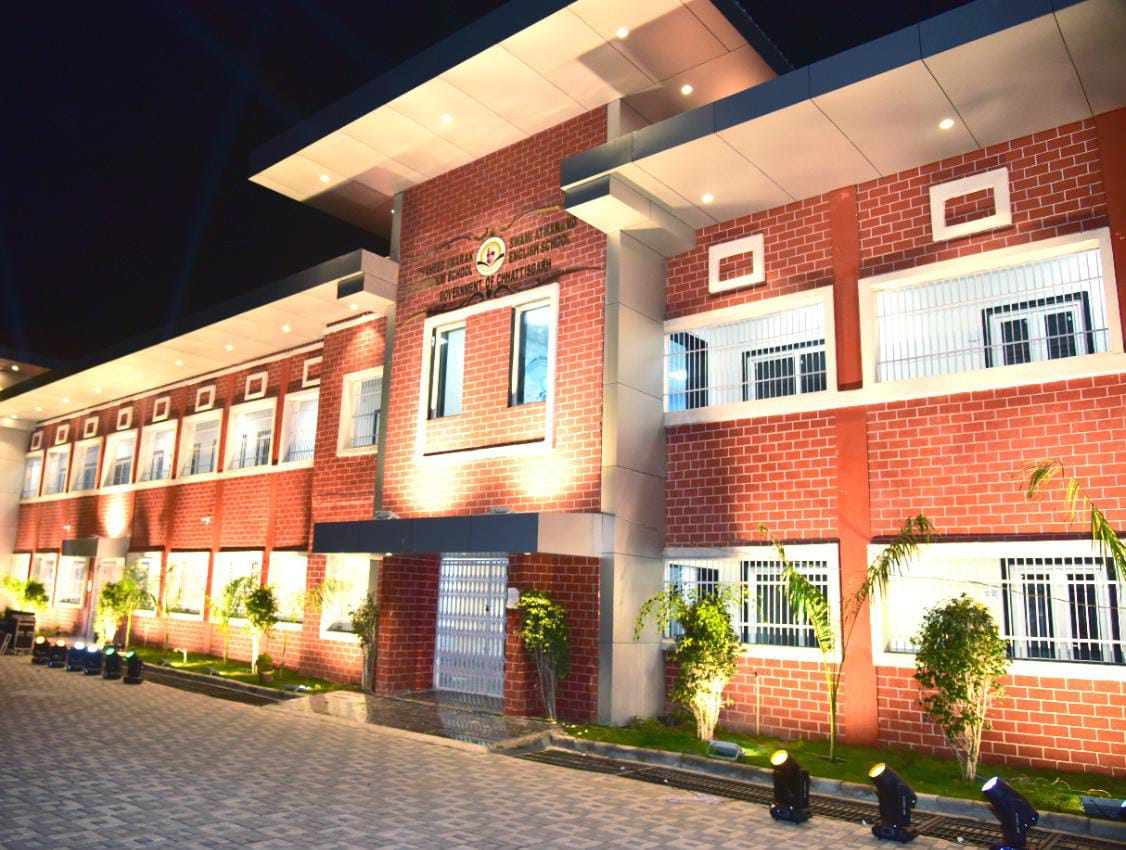
Raipur: The Chhattisgarh government is considering a public-private partnership (PPP) to operate 207 IGNITE schools across five divisions. The proposal aims to give children in rural areas and at block headquarters access to English-medium education based on the Central Board of Secondary Education (CBSE) curriculum. The state would retain full ownership of the schools’ land, buildings and other assets.
State to retain ownership under proposed operating model
Under the proposed Operation, Maintenance and Transfer (OMT) model, the selected agency would manage school operations and maintenance for 30 years. An extension of up to 10 years would depend on performance. The schools would retain the IGNITE name, and the agency would hand the assets back to the government without compensation when the contract ends.
The government has described the arrangement as a change in how schools would be run. The proposal would give the operating agency responsibility for academic management and maintenance while keeping the assets in public ownership. It envisages teacher training and timely staffing to help schools deliver the CBSE-based curriculum.
Free education and safeguards on fees
Children already enrolled would continue to receive free education through the highest class offered at their school. In addition to the 25 per cent reservation under the Right to Education Act, a government quota would provide extra free seats for children from Scheduled Castes, Scheduled Tribes, economically weaker sections and other disadvantaged groups.
The number of additional free seats offered would determine the selection of the operating agency. The proposal provides for a ₹1 lakh fine per violation if an agency denies admission to an eligible child or charges an unauthorised fee. Where a fee is collected improperly, a penalty of five times the amount collected would also apply.
Fees for open seats would be governed by the Chhattisgarh Non-Government School Fee Regulation Act, 2020. Agencies would be selected through open competitive bidding, and the tender and contract terms would be made public in accordance with the rules.
Government teachers and staff to retain service conditions
Teachers and other employees currently posted at these schools would remain government servants. Their service conditions would continue, and postings would be handled under the applicable rules.
The operating agency would cover school operating costs, salaries for staff it employs, minimum lease rent, maintenance of buildings, furniture and equipment, and necessary upgrades. The proposal envisages no new capital expenditure for the state government.
Annual audits and penalties for poor performance
The proposal sets out a 100-mark assessment covering five indicators, including academic achievement, performance in mathematics, science and language, and student retention. The State Council of Educational Research and Training (SCERT) or an independent agency would carry out an annual academic audit. A Performance Review Committee would also review the schools regularly.
Scores below 70 per cent would attract penalties. Two consecutive years of unsatisfactory performance could lead to termination. An agency that abandons operations during an academic session would forfeit its entire bank guarantee.
Existing DAV schools provide a precedent
The state has drawn on its experience with 72 model schools whose operations were handed over to DAV through an open tender in 2016–17. Enrolment increased from 17,722 in 2016–17 to 38,318 in 2026–27. The schools initially offered classes from Class 6 to Class 10 or 11. All 72 now provide CBSE-based English-medium education from Nursery to Class 12.
Of these schools, 59 operate independently under the PPP model and 13 in Bastar division receive government support. The DAV model also provides an additional eight per cent government quota of free seats for disadvantaged students, alongside the 25 per cent RTE reservation.
The IGNITE proposal remains under government consideration. Bidding and other implementation steps would follow if it is approved.

YOU MAY LIKE THIS