Reg No. - CHHBIL/2010/41479ISSN - 2582-919X

Chhattisgarh Government Intensifies Crackdown on Illegal Mining
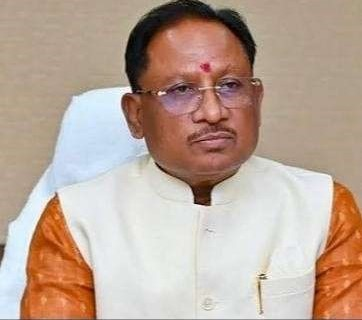
In recent years, the state government has strengthens surveillance and enforcement mechanisms. Mining, revenue, police, and transport departments are being asked for working together to conduct joint inspections and surprise raids. Heavy machinery, vehicles involved in illegal transportation, and unauthorised storage sites are being seized regularly-Photo -channel24india.com( File Photo )
In Short
- Impact of Chief Minister Vishnu Deo Sai’s strict stance
- Rules amended following Cabinet approval
Raipur : Illegal mining has long posed a serious challenge to Chhattisgarh, a state blessed with abundant reserves of coal, iron ore, limestone, sand, and other valuable minerals. Unauthorised extraction and transportation of minerals not only cause huge losses to government revenue but also damage the environment and disturb the social and economic balance of local communities. Recognising the gravity of the problem, the Chhattisgarh government has adopted a firm and uncompromising approach to eliminate illegal mining activities.
In recent years, the state government has strengthened surveillance and enforcement mechanisms. Mining, revenue, police, and transport departments have been working together to conduct joint inspections and surprise raids. Heavy machinery, vehicles involved in illegal transportation, and unauthorised storage sites are being seized regularly. By increasing the frequency of inspections and introducing strict accountability among officials, the government aims to create a strong deterrent against offenders, The Chief Minister Vishnu Deo Sai said.
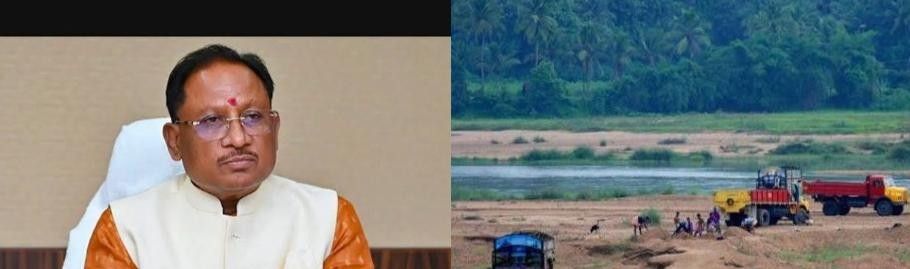
One of the most significant aspects of the campaign is the increase in penalties and financial fines imposed on violators. Higher fines serve as a warning that illegal extraction of natural resources will no longer be treated lightly. The confiscation of equipment and registration of criminal cases further reinforce the message that illegal mining is a serious offence with severe consequences. Such measures are intended to discourage organised networks that profit from the unlawful exploitation of mineral wealth.
Technology has also emerged as an important weapon in the fight against illegal mining. The use of drones, digital monitoring systems, GPS tracking, and electronic check posts has improved the ability of authorities to detect violations and monitor mining operations more effectively. These innovations help ensure that mining activities remain within approved boundaries and that transportation of minerals takes place according to legal procedures.
Apart from protecting revenue, the crackdown carries significant environmental benefits. Illegal mining often leads to deforestation, soil erosion, pollution of rivers, and destruction of agricultural land. By taking strict action, the government seeks to preserve ecological balance and ensure sustainable utilisation of natural resources. Responsible mining practices are essential for protecting the interests of future generations.
The campaign also sends a strong message regarding transparency and good governance. Strict enforcement promotes fair competition among legally operating miners and prevents dishonest elements from gaining an unfair advantage. It enhances public confidence in the administration and demonstrates the government’s commitment to safeguarding public resources.
However, the fight against illegal mining requires continuous vigilance. Effective coordination among departments, public participation, and timely action against offenders are essential for long-term success. Citizens can also play a constructive role by reporting suspicious activities and supporting conservation efforts.
The Chhattisgarh government’s hard stance against illegal mining reflects its determination to protect mineral resources, preserve the environment, and strengthen the rule of law. Strong enforcement and increased penalties are crucial steps toward ensuring that the state’s natural wealth contributes to sustainable development and the welfare of its people.
Under the leadership of Chief Minister Vishnu Deo Sai, the government has also simplified the rules for excavation permits to accelerate development works. For government construction projects, the limit for the excavation area has been increased from 1 hectare to 2 hectares, while the permit validity period has been extended from 2 years to 3 years. This will ensure the availability of sufficient minerals for construction activities and promote systematic mining.
The Chhattisgarh State Mineral Exploration Trust-2025 has also been established to facilitate the scientific exploration of minerals and the development of infrastructure. Now, 2 percent of the royalty earned from minor minerals will be deposited into this trust, with an estimated annual additional revenue of approximately ₹5.25 crore.
The government has also simplified the process for the amalgamation of mining leases. This will resolve practical difficulties associated with consolidating leases granted under different categories and facilitate the collection of premium amounts by the administration.
The system for deducting mineral royalties across construction departments has also been standardized. All departments will now deduct—in addition to the mineral cost—amounts for royalty, DMF, environmental cess, infrastructure cess, and security deposits, in accordance with prescribed rules. These amounts will be refunded upon receipt of royalty clearance from the Mineral Department; otherwise, the department will deposit the funds under the mineral head. This measure will also effectively curb the use of minerals sourced illegally.
In another significant decision, the benefits of revenue generated from minor minerals will no longer be limited to urban local bodies, Gram Panchayats, and Janpad Panchayats; Zila Panchayats will also receive a share.
After nearly 30 years, the rates for ‘dead rent’ (mandatory lease rent) for mines have been increased. There are over 1,900 minor mineral mines in the state, a large number of which have remained closed for.

YOU MAY LIKE THIS