Reg No. - CHHBIL/2010/41479ISSN - 2582-919X

Breastfeeding: A Newborn’s First Shield of Protection and Its Social Significance-By- Dhananjay Rathore
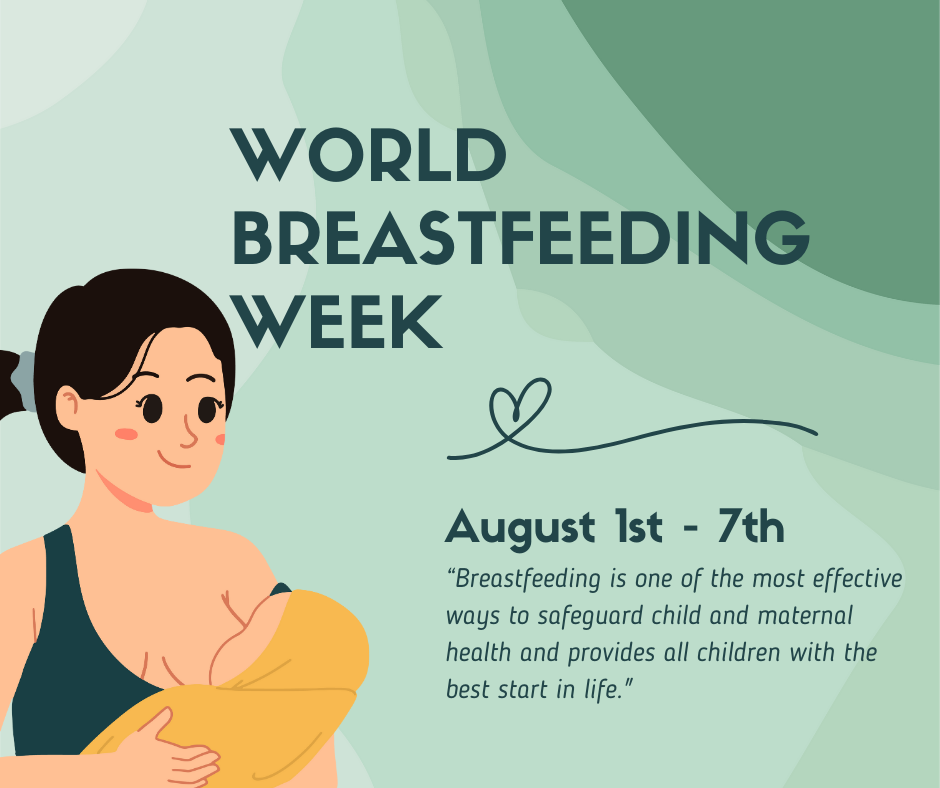
Representational Illustration: Mother’s milk is a newborn’s first natural protection, helping build immunity and supporting healthy growth from the very first day of life-Source-Internet
Key Factors
- Mother’s Milk Is a Baby’s First Dose of Immunity
- Colostrum: The Golden First Milk That Protects Life
World Breastfeeding Week is observed every year from August 1 to 7 to raise awareness about the life-saving importance of breastfeeding for infants and mothers. Health experts emphasize that initiating breastfeeding within the first hour after birth and exclusively breastfeeding for the first six months provides newborns with the strongest possible foundation for healthy growth and development.
Breastfeeding is far more than a source of nutrition. Skin-to-skin contact during feeding strengthens the emotional bond between mother and child, creating a sense of comfort, warmth, and security that supports healthy emotional and psychological development.
Breastfeeding Protects Babies from Life-Threatening Infections
According to the World Health Organization (WHO) and UNICEF, the first hour after birth and the first six months of life are crucial in shaping a child’s future health. Babies who are exclusively breastfed are significantly less likely to suffer from diarrhoea, pneumonia, ear infections, and other respiratory illnesses.
WHO estimates that optimal breastfeeding has the potential to prevent hundreds of thousands of infant deaths every year by protecting newborns against serious infections and strengthening their immune systems.
Colostrum: A Baby’s First Natural Vaccine
The thick, yellowish milk produced immediately after childbirth, known as colostrum, is often described as a baby’s first natural vaccine. Rich in antibodies, proteins, vitamins, and essential nutrients, colostrum provides newborns with their first line of immune protection against infections.
The “Golden Hour”—the first hour after birth—is especially important for initiating breastfeeding. During this period, babies are naturally alert and instinctively seek the mother’s breast. Early skin-to-skin contact also helps regulate the baby’s body temperature, heart rate, and blood sugar while increasing the chances of successful breastfeeding.
Exclusive Breastfeeding for the First Six Months
Doctors and child health specialists recommend that infants receive only breast milk during their first six months of life. Babies do not require water, formula milk, honey, or any other food during this period because breast milk contains the ideal balance of water and nutrients necessary for both hydration and nutrition.
After six months, complementary nutritious foods can gradually be introduced while breastfeeding continues for up to two years or beyond, depending on the needs of the child and mother.
Multiple Health Benefits for Children
Breastfeeding offers lifelong health advantages. Research has shown that breastfed children have:
- Lower risk of diarrhoea, pneumonia, ear infections, and malnutrition.
- Better cognitive development and improved mental health.
- Reduced chances of developing obesity, diabetes, asthma, and several chronic diseases later in life.
Benefits for Mothers
Breastfeeding is equally beneficial for mothers:
- Reduces the risk of breast and ovarian cancers.
- Helps mothers regain their pre-pregnancy weight more effectively.
- Supports the uterus in returning to its normal size after childbirth.
- Strengthens the lifelong emotional bond between mother and baby.
A Shared Responsibility of Family and Society
Breastfeeding should never be viewed as the sole responsibility of the mother. Families, communities, employers, and institutions all have an important role to play in creating a supportive environment.
Many women are unable to breastfeed successfully due to lack of awareness, social misconceptions, workplace challenges, or insufficient family support. Mothers need proper nutrition, emotional well-being, and adequate rest following childbirth to breastfeed without stress.
For working mothers, facilities such as paid maternity leave, breastfeeding breaks, workplace crèches, and childcare support are essential. Public places including bus stations, railway stations, airports, shopping malls, and other public facilities should also provide clean, safe, and private nursing rooms.
Building a Healthier Generation
World Breastfeeding Week reminds us that every child has the right to receive the best possible start in life through breastfeeding. Creating a supportive environment where mothers can breastfeed with dignity and confidence is essential to achieving a healthier, stronger, and malnutrition-free society.
Promoting breastfeeding is not merely a healthcare initiative—it is an investment in the future of every family and the nation.
Dhananjay Rathore is Joint Director, Department of Public Relations, Government of Chhattisgarh, Raipur.

YOU MAY LIKE THIS