Reg No. - CHHBIL/2010/41479ISSN - 2582-919X

Centre’s delimitation plan opens way for 605-seat Uttar Pradesh Assembly
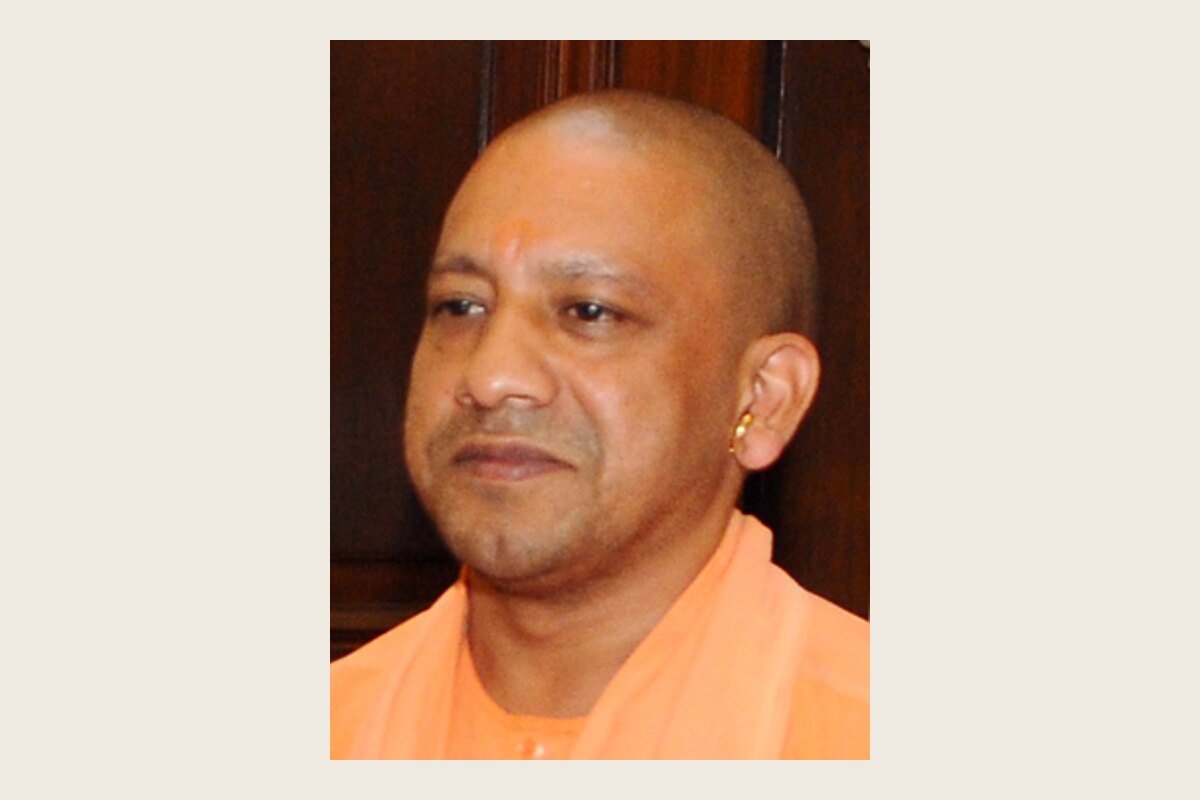
Uttar Pradesh Chief Minister Yogi Adityanath. The Centre’s proposed delimitation package could expand the State Assembly from 403 to 605 seats within Uttar Pradesh’s existing borders. File photo via Wikimedia Commons.
A proposed increase in the constitutional ceiling from 500 to 650 would let Uttar Pradesh expand its Assembly within its existing borders, easing one source of uncertainty ahead of the 2027 polls
Key Highlights
- The Constitution (132nd Amendment) Bill proposes raising the ceiling for State Assemblies under Article 170 from 500 to 650 seats. Uttar Pradesh’s Assembly could grow from 403 to 605 seats.
- A uniform 50 per cent increase would take Uttar Pradesh’s Lok Sabha delegation from 80 to 120 MPs while preserving its relative share of seats under the proposed freeze until 2051.
- The package seeks to use the 2011 Census to redraw constituencies and bring the one-third reservation for women into effect after delimitation.
Lucknow: Uttar Pradesh could elect 605 MLAs under the Centre’s revised delimitation package, a change that would allow the country’s most populous State to expand its legislature within its existing borders. The constitutional amendment cleared by the Union Cabinet on 27 November 2026 proposes raising the maximum strength of a State Assembly from 500 to 650, making room for Uttar Pradesh to receive the proposed increase in full.
The change has political significance for Chief Minister Yogi Adityanath and the BJP ahead of the 2027 Assembly elections. A 50 per cent expansion would have pushed Uttar Pradesh well above the 500-seat ceiling. Raising the cap gives the BJP a concrete answer to one question feeding speculation about a possible division of the State. Uttar Pradesh could accommodate the larger legislature within its present boundaries.
Why the 500-seat ceiling matters in Uttar Pradesh
Uttar Pradesh currently elects 403 MLAs. Under the proposed formula, the Assembly could gain 202 seats, taking its strength to 605. The existing ceiling leaves room for only 97 additional seats. Raising the limit to 650 would accommodate the projected expansion. The 650 figure is the proposed constitutional maximum for a State Assembly, while 605 is the projected strength for Uttar Pradesh.
For political leaders in Lucknow, the higher ceiling offers a way to treat legislative expansion and State reorganisation as separate questions. For voters, the more immediate effects of a future delimitation exercise would be local. A redrawn map could change which villages and urban wards vote together, where new constituencies are created and which areas an MLA represents.
Women’s reservation would reshape candidate selection
The Centre has linked the expansion to implementation of the one-third reservation for women in the Lok Sabha and State Assemblies. In a 605-member Uttar Pradesh Assembly, one-third would amount to about 202 seats, roughly the same as the increase in the size of the House. That arithmetic helps explain the political appeal of expanding the Assembly alongside introducing the quota. It would leave about 403 seats outside the women’s quota, including seats subject to other reservation rules.
The constituency map will matter more to individual MLAs than the statewide total. An incumbent could find that an existing constituency has new boundaries or is designated as a seat reserved for women. Parties would have to weigh those changes against their candidate lists and local organisation. The increase gives them more constituencies in which to field candidates. Which seats will be reserved would be determined through the delimitation exercise.
Uttar Pradesh could send 120 MPs to the Lok Sabha
Uttar Pradesh’s Lok Sabha tally would rise from 80 to 120 under the proposed uniform increase. The State would send 40 more MPs to Parliament, while other States and Union Territories would also gain seats under the same formula. The proposed freeze until 2051 is designed to preserve States’ relative representation as the House expands.
The 2011 Census would be used to draw the larger number of constituencies. That gives the proposed exercise a population base without waiting for fresh Census figures. It also means the commission would begin with a snapshot that predates years of urban growth and migration. In fast-growing areas, how those figures translate into constituency boundaries will be a practical question for voters and parties alike.
What the proposal means before the 2027 polls
For Adityanath, the clearest immediate effect is political. The proposed ceiling gives the BJP a way to discuss a larger Uttar Pradesh Assembly without reopening the question of the State’s borders. The timing of any change to the electoral map depends on Parliament passing the legislation and the delimitation process that follows. The Cabinet’s decision leaves open which election would first use the new constituencies.
The number 605 gives Lucknow a sense of the scale of the proposed change. For voters, its consequences will become clearer when they can see where the new constituencies are drawn, which ones are reserved for women and when the new map takes effect.

YOU MAY LIKE THIS