Reg No. - CHHBIL/2010/41479ISSN - 2582-919X

NCP-SP backs Centre’s delimitation Bills, Congress calls decision ‘deeply unfortunate’
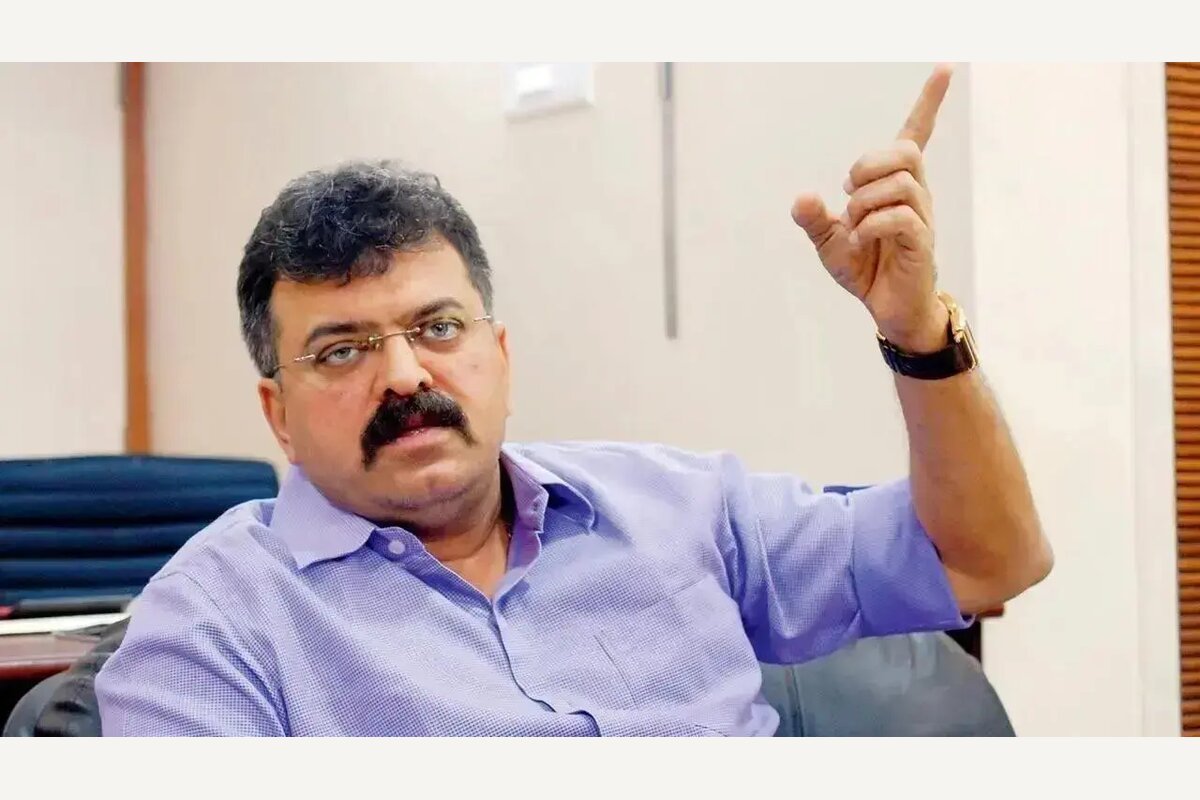
NCP-SP leader Jitendra Awhad announced on 27 November 2026 that the party would support the Centre’s delimitation Bills and attend the INDIA bloc meeting. File photo
Jitendra Awhad says the Sharad Pawar-led party will attend the INDIA bloc’s 28 November meeting even as it takes a different position from several Opposition allies
Key Highlights
- NCP-SP leader Jitendra Awhad announced the party’s support for the Centre’s delimitation legislation on 27 November.
- Congress leader Sachin Sawant criticised the decision, while Shiv Sena (UBT) MP Sanjay Raut called for a common position within the INDIA bloc.
- The Cabinet-cleared package proposes a 50 per cent increase in Lok Sabha seats for each State and Union Territory, protection of States’ relative representation until 2051, and implementation of the one-third reservation for women.
Mumbai: The Nationalist Congress Party–Sharadchandra Pawar (NCP-SP) announced on Friday, 27 November 2026, that it would support the Centre’s delimitation Bills. The decision drew criticism from the Congress and exposed a difference within the INDIA bloc a day before its parliamentary floor leaders were due to meet to discuss a joint response.
Mumbai: NCP-SP leader Jitendra Awhad announced the decision after visiting party chief Sharad Pawar, who remained in hospital in Mumbai. Awhad said Supriya Sule and the party’s MPs had settled on supporting the legislation. He confirmed that the NCP-SP would attend the Opposition meeting on Saturday.
“We will support the delimitation Bill. We will attend the INDIA Bloc meeting,” Awhad said.
Awhad outlines party’s position after meeting Pawar
Awhad said his conversation with Sharad Pawar had touched on delimitation as a constitutional process that would eventually have to be undertaken. He said the conversation had focused on that broader question, while Sule and the party’s MPs had decided the parliamentary position.
The party had issued a whip requiring its MPs to be present in Delhi for the session. Sule said she would remain in Mumbai over the weekend while her father was in hospital and travel to Delhi on Monday, 30 November. Awhad said Pawar was likely to be discharged over the weekend.
Congress criticises ally’s decision
Maharashtra Congress leader Sachin Sawant called the NCP-SP’s decision “deeply unfortunate”. In a post on X, he questioned the Union government’s intentions and argued that backing the Bill would strengthen the Modi government’s approach to exercising power.
Shiv Sena (UBT) MP Sanjay Raut had earlier called parties that vote for the legislation “traitors”. He urged INDIA bloc members to arrive at a shared position and argued that allies should decide their response through discussions within the coalition.
The NCP-SP’s decision leaves the bloc with an immediate question for its Saturday meeting. Its floor leaders will have to determine how much of a common parliamentary response they can agree on when one of their allies has already declared its support for the Bills.
What the Centre’s proposal would change
The Constitution (132nd Amendment) Bill, cleared by the Union Cabinet on Friday, proposes increasing the number of Lok Sabha seats for every State and Union Territory by 50 per cent at the first delimitation. The package would preserve States’ relative share of representation until 2051 while allowing constituency boundaries to be redrawn. It also seeks to bring into effect the one-third reservation for women alongside the expansion.
The distinction between adding seats and redistributing them has been central to the debate. Under a uniform percentage increase, States would send larger delegations to the Lok Sabha while retaining broadly the same relative weight in the House. The redrawing of constituencies would determine which areas those MPs represent.
Cabinet clearance sends the proposals to Parliament. The constitutional amendment needs a special majority in each House, making the positions taken by individual parties consequential when the legislation comes to a vote.

YOU MAY LIKE THIS