Reg No. - CHHBIL/2010/41479ISSN - 2582-919X

From Chhattisgarh’s paddy fields to Barcelona, aromatic rice seeks a place in European markets
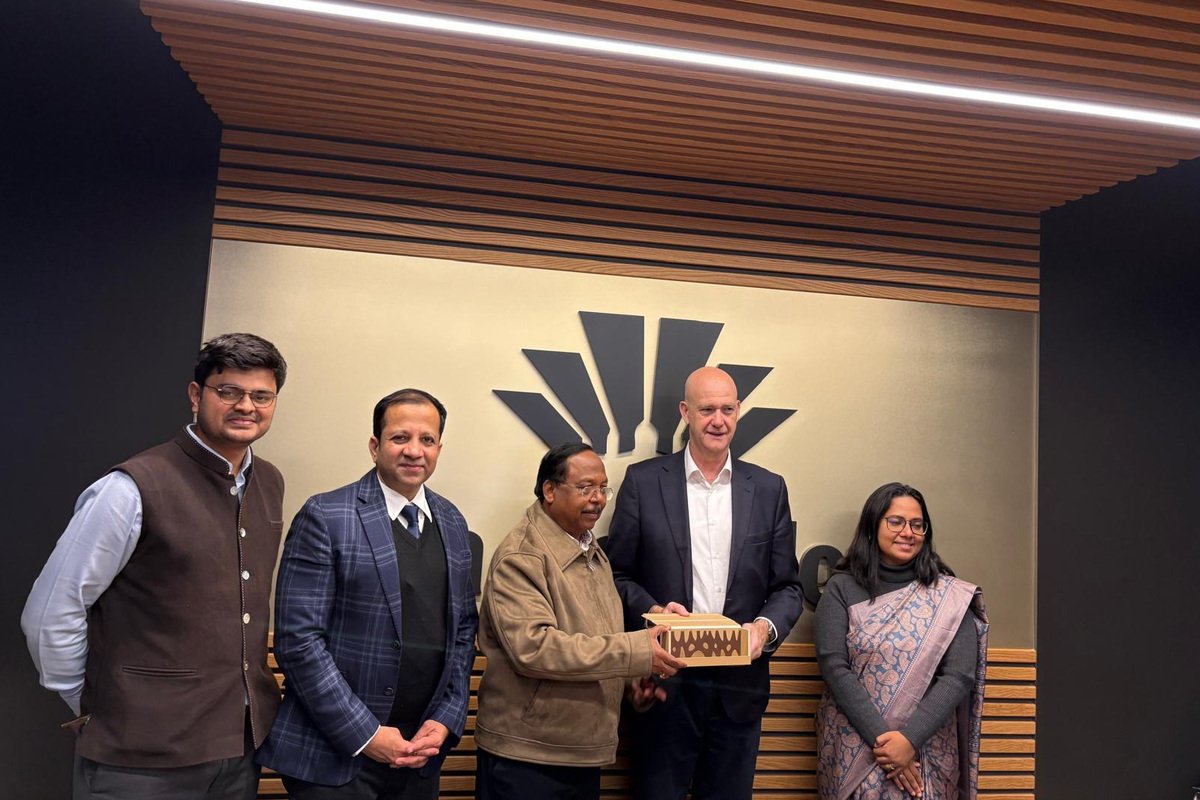
Chhattisgarh Agriculture Minister Ramvichar Netam holds a presentation box with Fira de Barcelona’s Director of International Business Ricard Zapatero i Camps after trade talks in Barcelona, Spain. Agriculture Production Commissioner Siddharth Komal Singh Pardeshi stands immediately to Netam’s left in the frame, with Agriculture Director Rahul Dev at the far left and India’s Consul General in Barcelona at the far right. Photo: primelookindia.com via CG/PR
Agriculture Minister Ramvichar Netam leads talks with Fira de Barcelona on showcasing Jeeraphool, Jawaphool, Nagri Dubraj and Kalimoonch at international trade exhibitions.
Key Highlights
- The Chhattisgarh delegation discussed international exhibitions, product branding and export opportunities with Fira de Barcelona in Spain.
- Jeeraphool and Nagri Dubraj, two of the four aromatic rice varieties discussed, have registered geographical indications in India
- The initiative could help farmer producer organisations, agricultural enterprises and exporters meet overseas buyers.
- The outreach supports Chhattisgarh’s Export Promotion Policy 2026–30 and the state’s goal of doubling exports by 2030. i
Raipur: For the farmers who grow Chhattisgarh’s aromatic rice, the name on the packet can matter almost as much as the grain inside. It tells buyers which variety they are buying and gives growers a way to distinguish a crop valued for its aroma and taste. In Barcelona, a delegation led by Chhattisgarh Agriculture Development and Farmers’ Welfare Minister Ramvichar Netam discussed how four of those varieties could reach buyers in Europe under their own names.
The delegation met Ricard Zapatero i Camps, Director of International Business at Fira de Barcelona, to discuss presenting Chhattisgarh’s agricultural products at trade exhibitions, building recognition for regional varieties and exploring export opportunities. Agriculture Production Commissioner Siddharth Komal Singh Pardeshi and Director of Agriculture Rahul Dev joined the talks, which were also attended by India’s Consul General in Barcelona.
Four rice varieties at the centre of the talks

Chhattisgarh Agriculture Minister Ramvichar Netam and the state delegation hold talks with Fira de Barcelona’s Director of International Business Ricard Zapatero i Camps in Barcelona, Spain, on showcasing Chhattisgarh’s aromatic rice at international trade exhibitions. Photo: primelookindia.com via CG/PR
Jeeraphool, Jawaphool, Nagri Dubraj and Kalimoonch were among the products discussed. Zapatero indicated that Fira de Barcelona could work with the state government to promote these varieties and other distinctive agricultural products through international exhibitions. The discussions focused on how to introduce the products to buyers and build trade contacts.
Ricard Zapatero said Fira de Barcelona could work with the Chhattisgarh government to showcase the state’s aromatic rice and other distinctive agricultural products at international trade exhibitions.
An exhibition could give growers’ organisations and exporters a chance to explain how the varieties differ, present samples and hear directly from importers and distributors about the quality, packaging and supply volumes they look for. That feedback would help producers judge which markets to pursue and what it would take to serve them.
Fira de Barcelona’s engagement with Indian states has included Madhya Pradesh and Maharashtra. For Chhattisgarh, the talks could give farmer producer organisations (FPOs), agricultural enterprises and exporters another way to connect with overseas buyers.
Why the rice’s place of origin matters
Jeeraphool and Nagri Dubraj are registered geographical indications in India. The Jeeraphool registration lists a growers’ cooperative in Batauli block of Surguja as the applicant. The Nagri Dubraj registration lists Maa Durga Swayam Sahayata Samooh, a self-help group in Nagri block of Dhamtari district. The registrations tie the names to Chhattisgarh and give the state a starting point for telling buyers where the rice comes from and who grows it.
For farmers, the commercial question is whether recognition of those names can translate into a better price for their harvest. A buyer who values a particular aroma or cooking quality has a reason to ask for that variety again. If repeat demand brings a better return to growers, it could also give them an incentive to keep cultivating traditional varieties.
Getting from an exhibition stand to a repeat order
The next steps would involve work close to the farm. Farmer producer organisations can bring together produce from several growers, while millers and packers can help keep varieties separate and prepare consistent batches. Exporters would need to match those efforts with the requirements of individual buyers, from packaging and labelling to order volumes and delivery schedules.
That is where meetings such as the one in Barcelona can have a practical value. A conversation with a prospective buyer can reveal whether a product is best suited to speciality food retailers, distributors or another segment, and whether the expected price can support the costs of processing, packaging and shipping. Those details will influence how much of the value from a sale ultimately reaches farmers.
The outreach comes as the Chhattisgarh government, led by Chief Minister Vishnu Deo Sai, works towards its goal of doubling the state’s exports by 2030 under the Export Promotion Policy 2026–30. For the producers of Jeeraphool, Jawaphool, Nagri Dubraj and Kalimoonch, the test will be whether contacts made overseas turn into orders that reward the work of growing and preserving these varieties

YOU MAY LIKE THIS