Reg No. - CHHBIL/2010/41479ISSN - 2582-919X

Nvidia Board Faces Scrutiny After Bringing Jensen Huang Back as CEO
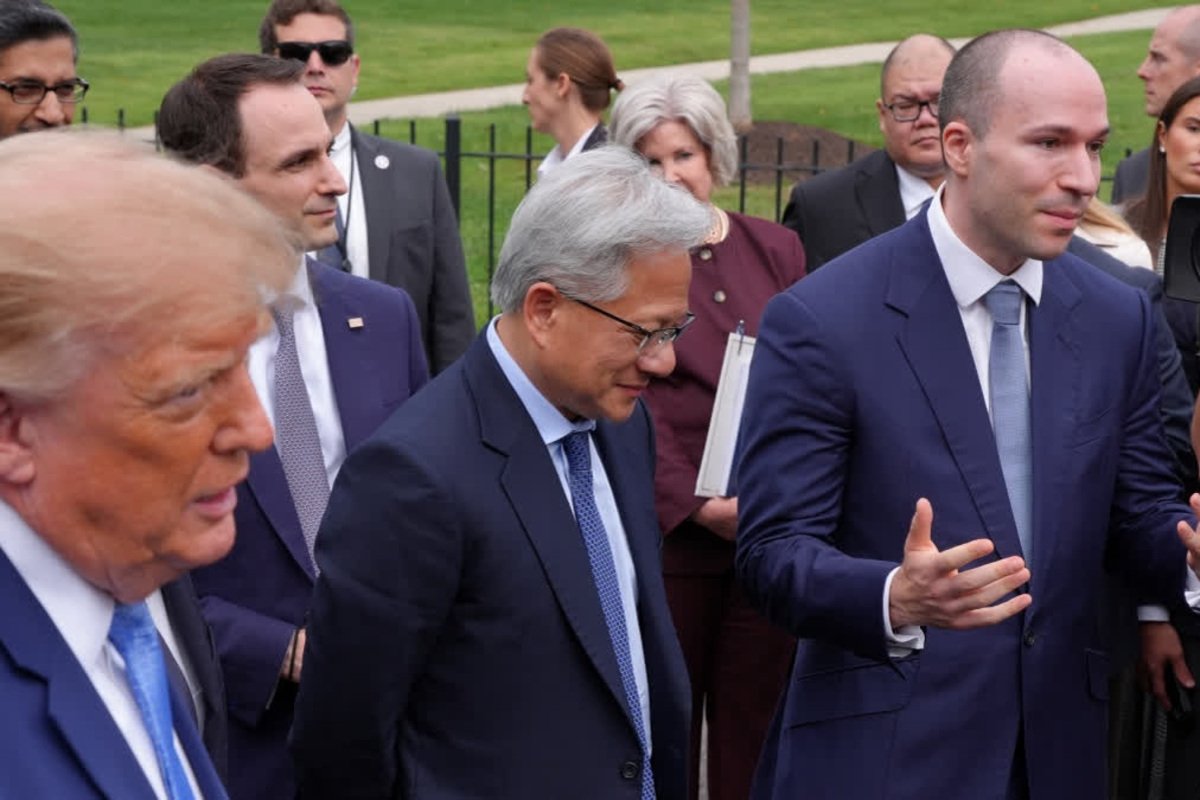
US President Donald Trump (left) and Nvidia CEO Jensen Huang (centre) listen as OpenAI President Greg Brockman speaks to reporters at the White House in Washington on 29 September 2026, following a meeting with AI industry executives. File photo: AP/Jacquelyn Martin.
Directors unanimously restored Huang to all three company roles six days after accepting his resignation. Donald Trump says his intervention helped secure the reversal.
Key Highlights
- Nvidia reinstated Huang as president, chief executive and a board director on 23 November.
- The company said directors sought input from senior US government officials before voting.
- The reversal has sharpened questions about the board’s independence and the role Washington played in its decision.
New York: Nvidia’s decision to bring back Jensen Huang has put its directors under scrutiny. The same 10-member board that unanimously accepted his resignation voted unanimously six days later to restore him as president, chief executive and a director. Between those votes, board chair Harvey Jones had told investors on an earnings call that directors did not intend to reinstate him.
Huang resigned after acknowledging an affair with a woman suspected of spying for China, the Associated Press reported. Nvidia said its directors held several discussions with Huang and were satisfied with his candour and ability to lead the company. The board said that, based on input from senior US officials, it was confident his return posed no national security risk.
Trump said he believed his intervention was crucial to Huang’s return. Nvidia confirmed that government officials had provided input. Its announcement did not identify those officials or specify what advice they gave.
Jones said the board believed Huang’s reinstatement served the interests of shareholders, employees, partners and customers. Corporate governance specialists who spoke to AP questioned whether directors had exercised independent judgment. For shareholders, the immediate question is what changed between two unanimous votes that reached opposite conclusions less than a week apart.

YOU MAY LIKE THIS