Reg No. - CHHBIL/2010/41479ISSN - 2582-919X

India, China hold nearly 10 days of military talks to ease Arunachal frontier tensions
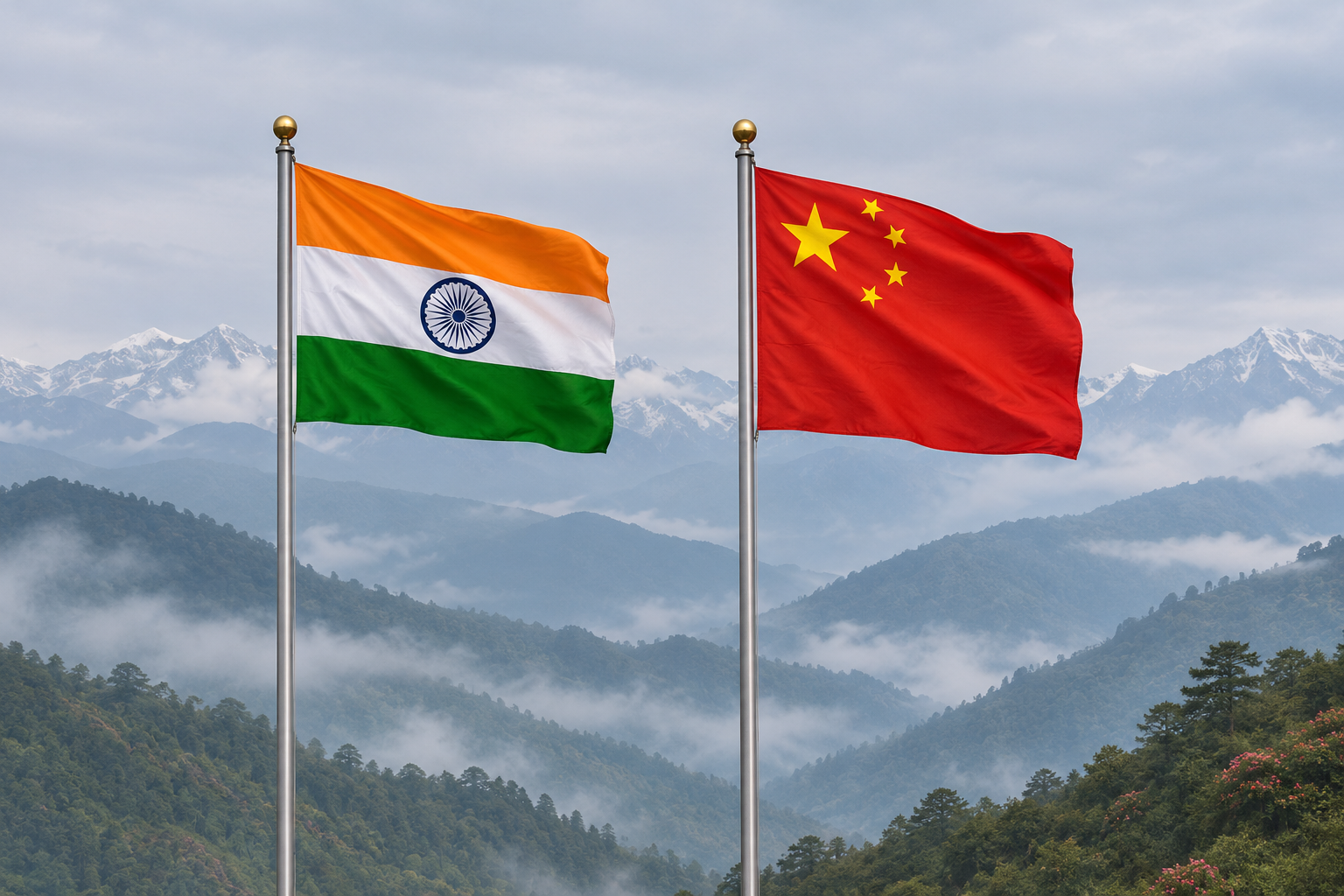
The flags of India and China against a Himalayan backdrop illustrate military talks aimed at easing tensions along the Line of Actual Control in Arunachal Pradesh. Image credit: AI illustration for primelookindia.com
The second round of Corps Commander-level discussions focused on preventing troop face-offs, clarifying how patrols should engage and keeping communication open along the Line of Actual Control.
Key Highlights
- The talks began shortly after Diwali and continued for nearly 10 days, with a brief break.
- Lieutenant General Girish Kalia, commander of the Indian Army’s III Corps, led the Indian side. A Ministry of External Affairs official also took part.
- Neither side had publicly announced an agreement or a timetable for putting the measures into practice as of 22 November.
New Delhi: Indian and Chinese military commanders have held a second round of talks to ease tensions along the Line of Actual Control (LAC) in Arunachal Pradesh ahead of winter. The discussions, reported on 22 November, focused on ways to prevent encounters between patrols from turning into prolonged stand-offs.
Lieutenant General Girish Kalia held discussions with his Chinese counterpart and other military officers. The presence of an Indian Ministry of External Affairs official brought a diplomatic representative into talks centred on day-to-day conduct along the frontier.
Keeping local incidents from escalating
The commanders discussed clearer procedures for encounters between troops and keeping lines of communication open. The aim was to give both sides a way to address misunderstandings quickly, before a local incident drew in more troops or turned into a wider confrontation. It remains unclear whether the measures discussed will be put into effect before winter.
The latest round followed a meeting on 6–7 September at the Wacha–Damai border meeting point in the Kibithoo sector. The two rounds have focused on managing friction along the eastern sector of the LAC, where differences over the boundary persist.

YOU MAY LIKE THIS