Reg No. - CHHBIL/2010/41479ISSN - 2582-919X

Sai Cabinet clears village water rules, three-year support for Narayanpur college
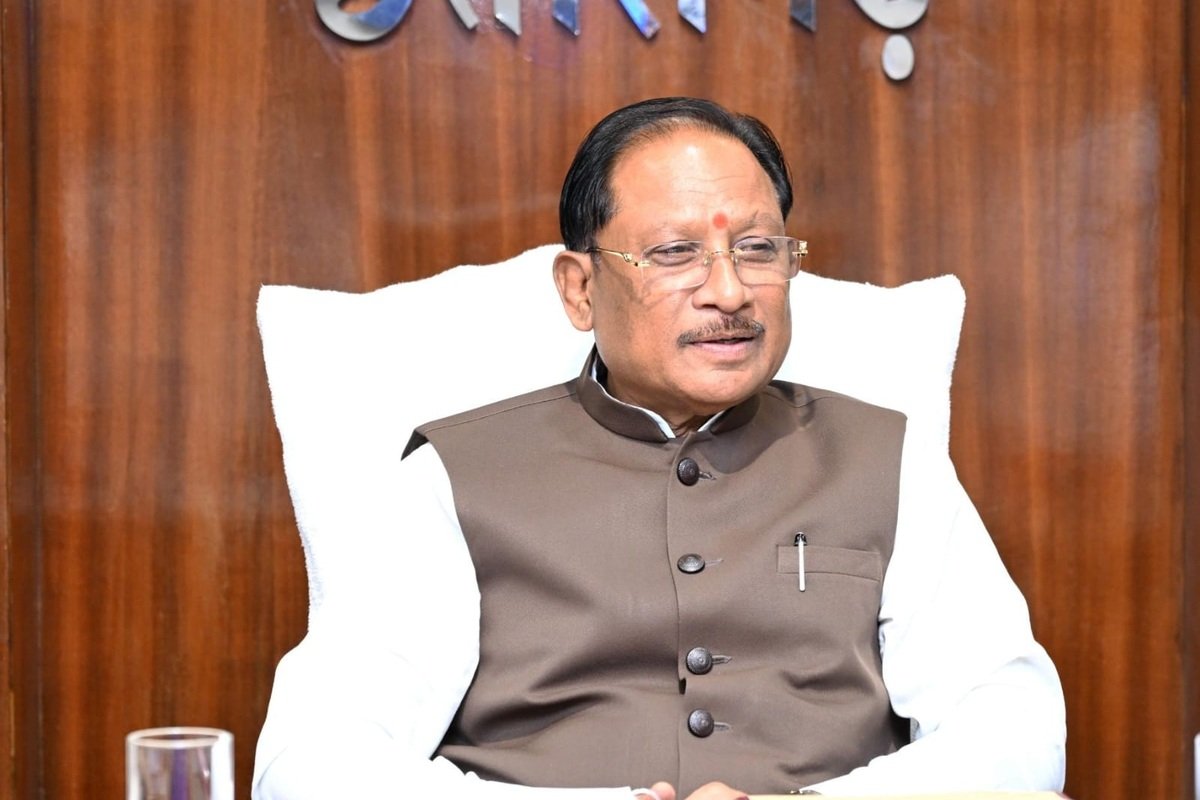
Chief Minister Vishnu Deo Sai chairs the Cabinet meeting at his residential office in Civil Lines, Raipur, on 18 November 2026, where four proposals concerning rural water supply, tribal higher education and public facilities receive approval. Photo: primelookindia.com via CG/CMO
The four decisions also include land allotments for a juvenile observation home and a divisional education board office in Rajnandgaon.
Key Highlights
- Rural drinking water: New rules will govern the operation, maintenance and management of village tap-water schemes.
- Panchayat assistance: Small gram panchayats can receive operating grants subject to collection requirements. Panchayats collecting more than 75 per cent of annual water charges can receive a ₹50,000 yearly incentive.
- Tribal higher education: A three-year grant arrangement for Ramakrishna Mission Swami Vivekananda College in Narayanpur carries a proposed provision of approximately ₹40.98 crore.
- Juvenile care: Land has been approved for an observation home in Rajnandgaon.
- Education board services: A separate land allotment will support a divisional office of the Chhattisgarh Board of Secondary Education in Rajnandgaon.
Raipur: The Chhattisgarh Cabinet, chaired by Chief Minister Vishnu Deo Sai, approved four proposals on 18 November covering rural drinking water, higher education for Abujhmaria students and two public facilities in Rajnandgaon.
Meeting at the Chief Minister’s residential office in Civil Lines Wednesday on November 18, 2026 the Cabinet approved the draft Chhattisgarh Panchayat (Rural Tap-Water Operation, Maintenance and Management) Rules, 2026. It also cleared three years of recurring and non-recurring grants for a Ramakrishna Mission college in Narayanpur and land allotments for a juvenile observation home and an education board divisional office.
1. New rural water rules provide grants and incentives for panchayats
The approved draft rules will replace the 2024 framework and align the management of rural tap-water schemes with national Jal Jeevan Mission standards.
The new framework incorporates all 19 technical, administrative and financial points suggested by the Union government. It sets out arrangements for gram panchayats to operate schemes, maintain infrastructure and manage water services regularly.
A provision for the Mukhyamantri Nal Jal Anudan will offer financial assistance for operation and maintenance to gram panchayats with populations below 1,000. To qualify, these panchayats must collect at least 50 per cent of water charges each month.
The rules also provide an annual Mukhyamantri Nal Jal incentive of ₹50,000 for gram panchayats collecting more than 75 per cent of their annual water charges.
The assistance is intended to ease the financial burden on smaller panchayats while supporting reliable supplies of clean drinking water to rural households.
2. Three-year grant arrangement for Narayanpur’s Ramakrishna Mission college
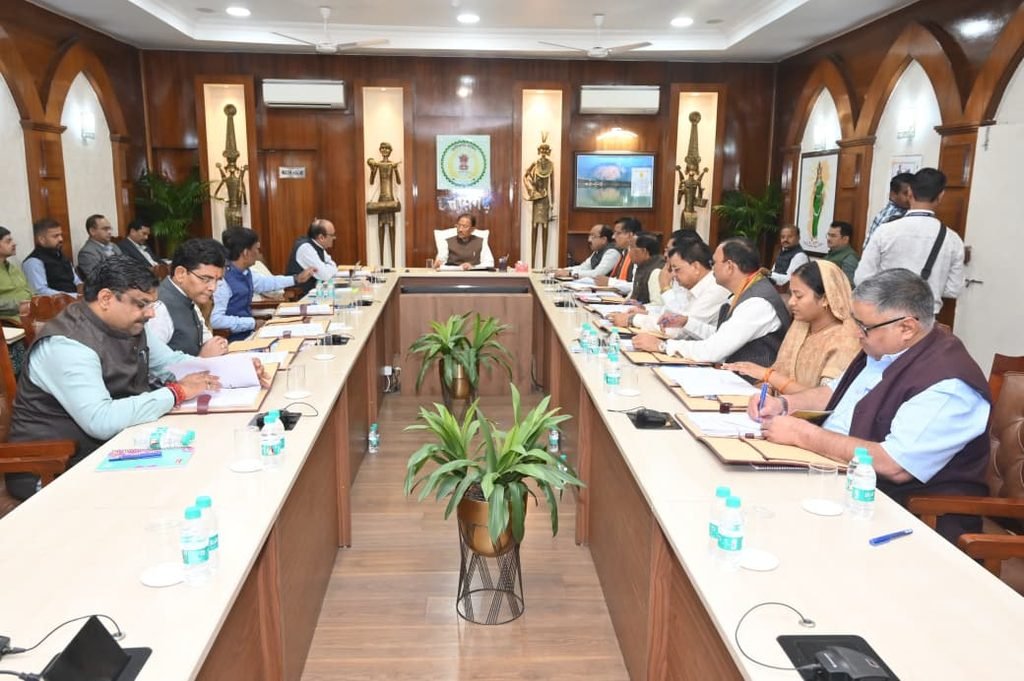
Chief Minister Vishnu Deo Sai (centre, at the head of the table) discusses key proposals with his Cabinet colleagues and senior officials at his Civil Lines residential office in Raipur on 18 November 2026. Photo: primelookindia.com via CG/CMO
The Cabinet approved recurring and non-recurring grants for Ramakrishna Mission Swami Vivekananda College, operated by Ramakrishna Mission Ashram in Narayanpur, for three years.
The decision follows Sai’s announcement to improve access to higher education for Abujhmaria students, who belong to a Particularly Vulnerable Tribal Group.
The Cabinet permitted relaxation of the prescribed requirements under the Chhattisgarh Private Colleges and Institutions (Establishment and Regulation) Act, 2006 to enable the grant arrangement.
The college began functioning in the 2026–27 academic session. Approximately ₹40.98 crore is proposed over three years for its operations and infrastructure development.
The support is intended to make quality higher education more accessible to students from Abujhmad and other remote tribal areas, helping them continue their studies closer to their communities.
3. Land approved for juvenile observation home in Rajnandgaon
The Cabinet approved allotment of land to the Women and Child Development Department for a juvenile observation home in Rajnandgaon district.
The allotment covers 0.223 hectares, described in the decision as approximately 24,090 square feet, of Rajgami Estate land under Khasra No. 284 in Kaurinbhantha village, Rajnandgaon tehsil.
The proposed facility will strengthen accommodation, care, counselling, education and rehabilitation services for children in conflict with the law.
4. Rajnandgaon to receive education board divisional office
The Cabinet approved 264 square metres within the State High School campus at Baldev Bagh, Rajnandgaon, for a divisional office of the Chhattisgarh Board of Secondary Education.
The office is intended to give students, parents and educational institutions easier local access to board-related services.

YOU MAY LIKE THIS