Reg No. - CHHBIL/2010/41479ISSN - 2582-919X

Oil Opens Lower After Trump Plays Down Prospect of Fresh US Strikes on Iran
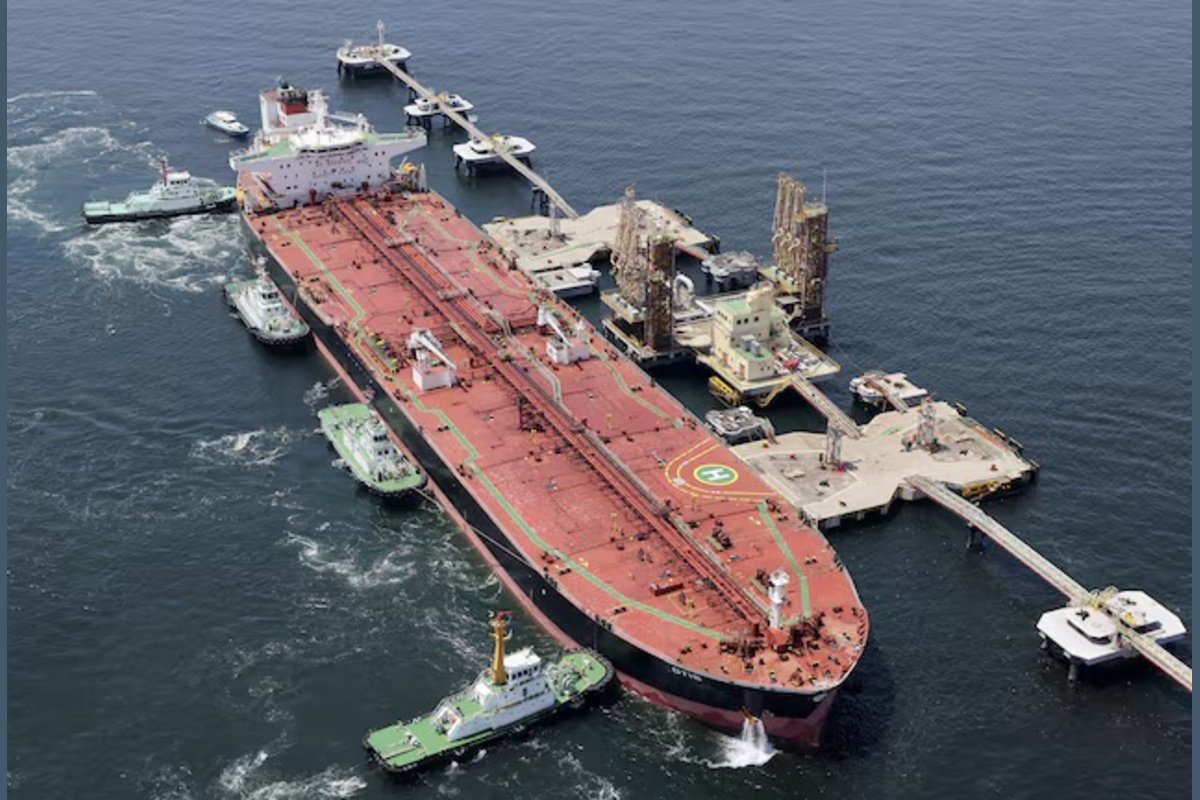
A tanker carrying US crude for Cosmo Oil arrives off Chiba in Tokyo Bay, Japan, on 26 April 2026, after transiting the Panama Canal. File photo: Kyodo via Reuters.
Brent briefly fell below $98 a barrel before trading near its previous close, as risks to shipping through the Strait of Hormuz remained in focus.
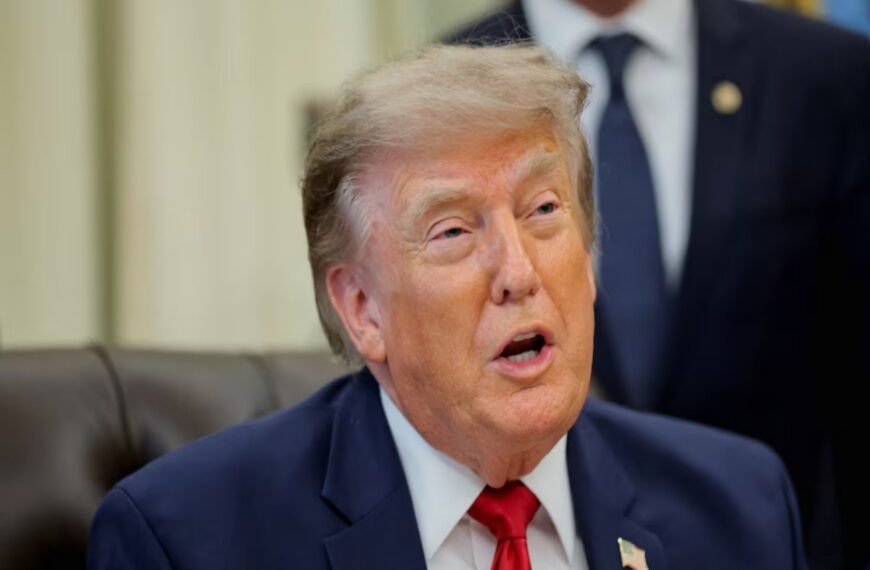
Perth: Oil prices opened lower on Monday, 9 November 2026, after US President Donald Trump played down the likelihood of fresh attacks on Iran while talks to end the conflict were making progress. The decline proved short-lived. Brent recovered to trade near its previous close, while US crude moved higher as traders weighed Trump’s remarks against reports of attacks on shipping in or near the Strait of Hormuz.
Brent briefly fell more than $1 a barrel. Reuters’ opening report put the benchmark at $97.67, down 64 cents, and US West Texas Intermediate (WTI) at $90.51, down 35 cents. By 4:27 am GMT (9:57 am IST), Brent had recovered to $98.35 a barrel, up 3 cents, while WTI was up 0.5 per cent at $91.30. The early swings followed a 16 per cent fall in Brent the previous week, its steepest weekly decline since the start of the COVID-19 pandemic. live
Trump Ties Military Restraint to an Agreement
In a Sunday telephone interview with CNN, Trump made clear that his assessment depended on the outcome of negotiations. “It depends on whether or not they sign a very strong agreement,” he said. He added that he thought fresh attacks were highly unlikely to be necessary.
Trump had previously raised the prospect of renewed attacks after the US midterm elections. Reuters reported that there had been no sign of a large-scale US operation. Iran has said it would retaliate against US and Israeli targets if attacked. For the oil market, the immediate question is whether talks can reduce the risk to shipments while a broader agreement is still being negotiated.
Hormuz Shipping Risks Persist
Both Washington and Tehran reported that ships had been hit in or near the Strait of Hormuz. Separately, Yemen’s Iran-aligned Houthis claimed responsibility for Sunday’s attack on Saudi Aramco’s offices in Riyadh. Windows were blown out, and no casualties were reported. The incidents kept attention on the risk that renewed hostilities could disrupt energy shipments even as diplomatic contacts continued.
The market is also weighing the prospect of excess supply. JPMorgan estimated that global oil supply exceeded consumption by 1.1 million barrels a day in September and by 1.4 million in October. The bank pointed to recovering Middle Eastern flows, rising output elsewhere and weak demand. Those conditions can put downward pressure on crude prices, while uncertainty over passage through Hormuz can push them back up.