Reg No. - CHHBIL/2010/41479ISSN - 2582-919X

Vance Calls H-1B Visa Programme ‘Completely Broken’, Backs Its Abolition
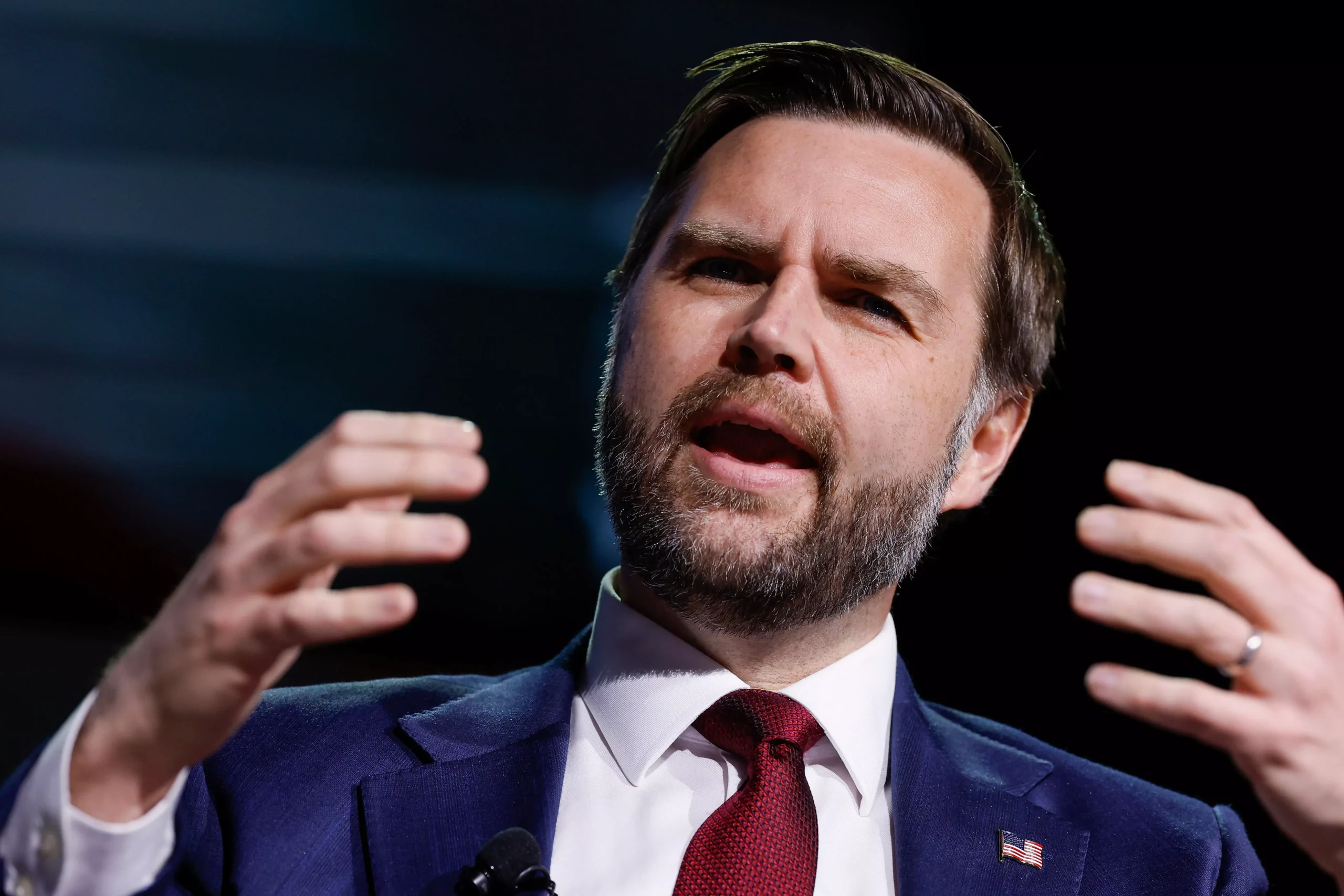
US Vice President JD Vance speaks during a public event. Vance has called the H-1B visa programme “completely broken” and said he would support its abolition while arguing for stronger protection of American workers. Photo:Reuters
US Vice President says skilled immigration should bring exceptional talent, not serve as a route for replacing American workers with lower-paid foreign employees
Key Highlights
- JD Vance says he would support eliminating the H-1B visa programme.
- Vice President alleges the system has been exploited to substitute American workers with lower-paid foreign labour.
- He distinguishes recruitment of exceptional international talent from hiring primarily to reduce labour costs.
- Remarks come amid the Trump administration’s broader tightening of H-1B rules.
- A federal judge has separately blocked enforcement of the administration’s $100,000 H-1B fee, adding a legal dimension to the continuing policy dispute.
Washington: US Vice President JD Vance has described the H-1B visa programme as “completely broken” and said he would support eliminating it, sharpening the Trump administration’s criticism of a system widely used by American technology companies and other employers to recruit skilled foreign professionals.
Vance argued that the programme has been exploited by some employers to replace American workers with foreign employees hired at lower wages. His criticism was not confined to the technology industry; he also referred to accounting firms and other businesses as examples of sectors where he believes the programme has been misused.
“My view is the H-1B program is completely broken, and I’d be very supportive of just eliminating it,” Vance said, while adding that as long as the programme remains in existence, the administration should focus on protecting American workers.ying foreign workers principally because they cost less than comparable American employees. Vance illustrated the point by contrasting the recruitment of highly specialised talent with replacing a higher-paid American accountant with a lower-paid foreign accountant.
The comments come as the Trump administration pursues substantial changes to the H-1B system. A September 18 executive order directed federal agencies to strengthen scrutiny of the programme, including circumstances in which employers have laid off similarly situated American workers. The White House maintains that the measures are intended to curb abuse and protect US wages and employment opportunities.
The administration has also extended restrictions associated with a $100,000 payment requirement for certain H-1B petitions through September 2027, subject to specified exceptions.
That policy is simultaneously facing legal challenges. On October 1, a second US federal judge blocked enforcement of the $100,000 fee, finding that federal agencies had not followed the required rule-making procedures.
Vance’s latest intervention therefore adds political pressure to an already contested debate over whether the H-1B system should be reformed substantially or eliminated altogether. For foreign professionals—including the large number of Indian workers who have historically relied on H-1B employment—the direction of US policy remains particularly significant.