Reg No. - CHHBIL/2010/41479ISSN - 2582-919X

Economic Pressure ‘Most Effective Tool’ Against Iran, but It Is a Delicate Dance: JD Vance
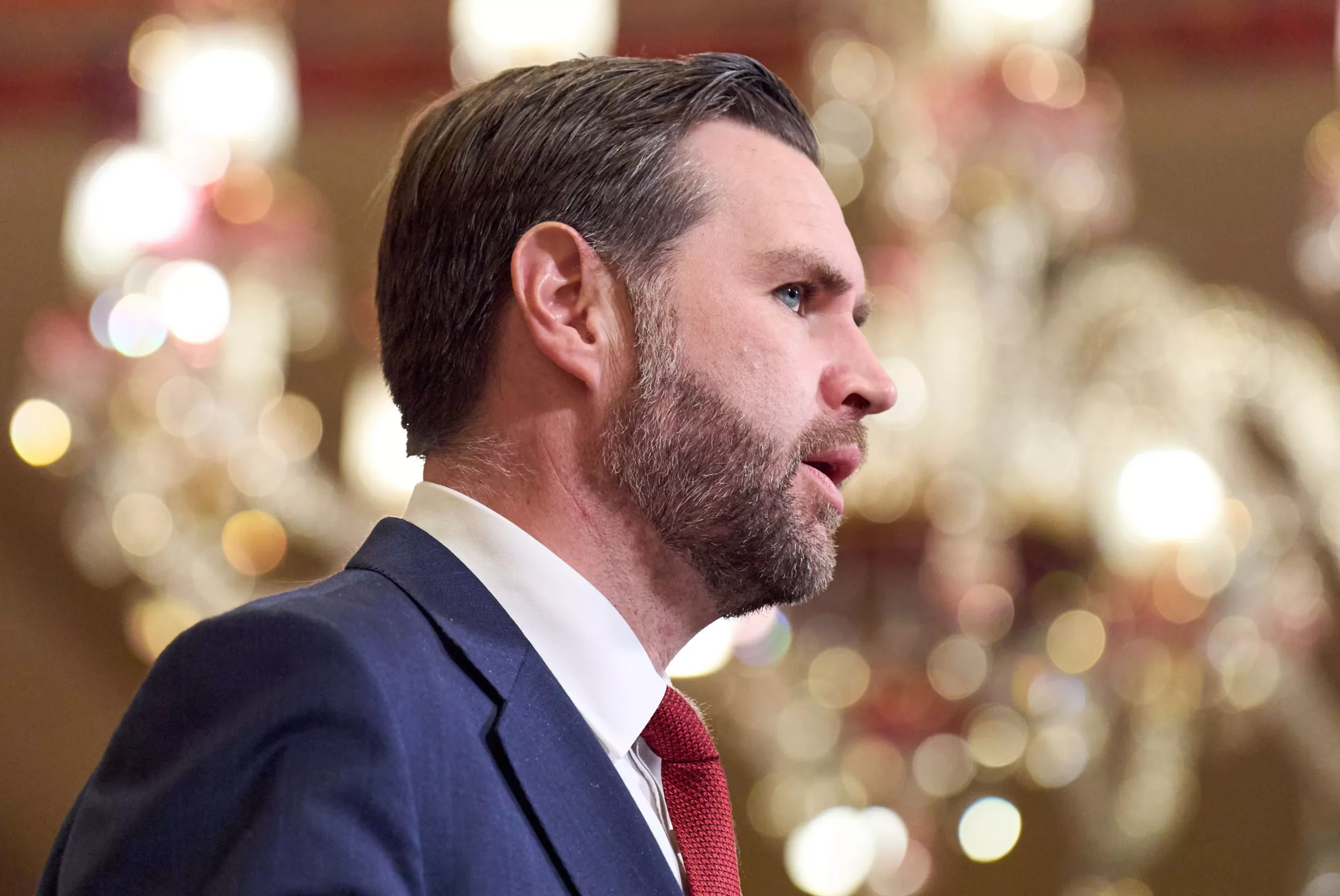
US Vice President JD Vance says economic pressure remains Washington’s “most effective tool” against Iran, while acknowledging that the strategy is a “delicate dance” because of its potential impact on energy markets and American consumers.
US Vice President says Washington has entered a new phase in its confrontation with Tehran, with sanctions and economic pressure increasingly taking centre stage
Key Factors
- Vance calls economic pressure Washington’s most effective tool against Iran
- US strategy increasingly shifts towards financial pressure rather than major new military operations
- Vance acknowledges higher oil and fuel prices could also hurt Americans
- Washington wants to prevent Tehran from rebuilding its nuclear capabilities
- Iran condemns new US measures as “economic terrorism”
- Strait of Hormuz remains at the centre of the confrontation
- Tehran links its reopening to sanctions relief, release of frozen assets and other US commitments
Washington: US Vice President JD Vance has described economic pressure as Washington’s “most effective tool” against Iran, while acknowledging that using it without imposing serious costs on the United States and the wider global economy remains a delicate balancing act.
Speaking on The Clay Travis and Buck Sexton Show on Thursday August 22,2026 Vance said the confrontation had entered a phase in which economic measures could play an increasingly important role in influencing Tehran’s calculations.
“The most effective tool that we have is the economic pressure we can apply to them,” Vance said, describing the strategy as a “delicate dance” because Iran could attempt to retaliate economically against the United States.
Vance argued that Iran had come under considerably greater pressure than the United States in recent weeks, even as he acknowledged that Americans were feeling some of the consequences through elevated oil and fuel prices.
The Vice President said Washington was seeking to ensure sufficient movement of oil and gas through the Strait of Hormuz to ease pressure on energy prices. The strategically vital waterway has emerged as one of the most consequential fronts in the confrontation because disruption there can rapidly affect international energy markets.
Pressure Now Aimed at Changing Tehran’s Calculations
Vance said economic measures were also intended to impose a price on Iran for attacks on commercial shipping and ultimately alter Tehran’s assessment of the terms on which it might reach an agreement with Washington.
The objective, he indicated, went beyond establishing that Iranian nuclear facilities had been damaged. Washington also wanted confidence that Tehran would not attempt to rebuild the capabilities that had been destroyed.
“What we are trying to do is create a changed reality on the ground,” Vance said, arguing that the United States wanted to reach a position where it could be confident Iran would not rebuild its nuclear infrastructure.
His comments underline an important shift in the American approach: economic isolation, sanctions and pressure on Iran’s trading relationships are increasingly being presented as instruments capable of achieving US objectives without immediately resorting to another major military escalation.
US Treasury Secretary Scott Bessent has separately promised what he described as the toughest sanctions imposed on Iran, as Washington attempts to squeeze Tehran’s access to international finance and oil revenues.
Iran, however, has responded defiantly.
The Iranian Foreign Ministry condemned the latest US economic and trade measures, describing sanctions targeting the country as “economic terrorism” and a “crime against humanity”. Tehran argued that sanctions and military action represented two sides of the same pressure strategy and insisted that the measures would not force Iran to surrender its independence or national sovereignty.
The dispute is particularly acute over the Strait of Hormuz.
US President Donald Trump has maintained that vessels are moving through the waterway and has portrayed the American naval operation as successful. Tehran, however, maintains that the Strait will not be fully reopened until Washington implements commitments Iran says were contained in an earlier memorandum of understanding.
Iranian Parliament Speaker Mohammad Bagher Ghalibaf has identified those conditions as including the lifting of the US blockade, release of frozen Iranian assets, removal of oil sanctions and an end to military threats and operations.
The competing claims over Hormuz highlight precisely the dilemma acknowledged by Vance: economic pressure may give Washington considerable leverage over Tehran, but instability surrounding one of the world’s most important energy corridors means the consequences can also reach American consumers and the wider global economy.
For the Trump administration, the challenge is therefore not simply how much economic pressure can be imposed on Iran, but whether that pressure can change Tehran’s strategic calculations without producing an economic shock that spreads far beyond Iran itself.

YOU MAY LIKE THIS