Reg No. - CHHBIL/2010/41479ISSN - 2582-919X

Questions Before Conclusions: What Champat Rai’s Letter Could Mean for the Ram Mandir Probe – By – Kumar Bahukhandi ( Editorial)
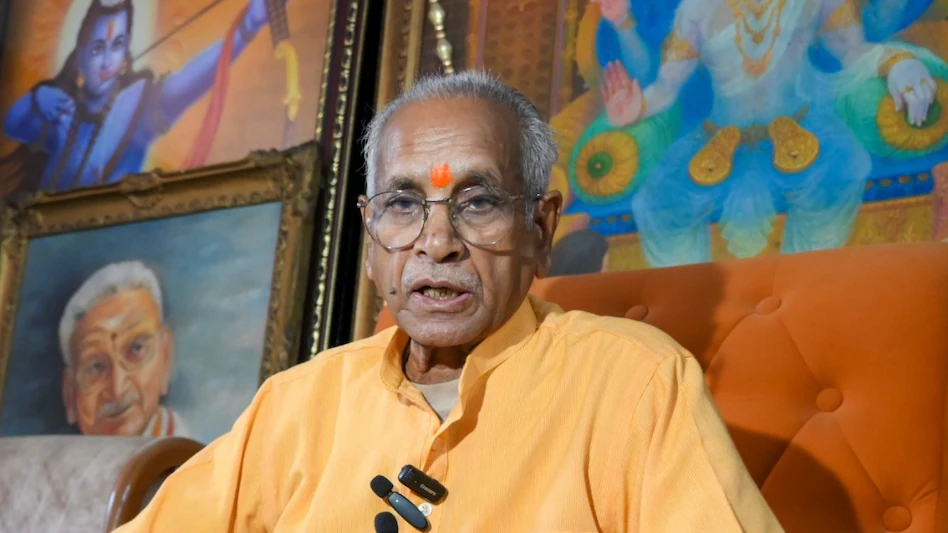
Former Shri Ram Janmabhoomi Teerth Kshetra Trust General Secretary Champat Rai’s reported letters have added a new dimension to the ongoing investigation into the alleged Ram Mandir donation theft, raising procedural questions that investigators will now have to examine.-Photo Credit -channel24india.com(File Photo )
The former Trust General Secretary’s response raises questions about procedure, accountability and institutional oversight—but the investigation, not public speculation, must determine the answers.
In every high-profile investigation, there comes a moment when a single document shifts the public conversation. In the alleged Ram Mandir donation theft case, that moment appears to have arrived with the emergence of two letters attributed to former Shri Ram Janmabhoomi Teerth Kshetra Trust General Secretary Champat Rai.
One letter was officially shared through his verified social media account and addressed to devotees. The second, reportedly addressed to the Special Investigation Team (SIT), has circulated widely on social media. However, the authenticity of the latter has not been independently verified, and any assessment must therefore proceed with caution.
Yet, if the contents of the reported letter accurately reflect Rai’s position, they introduce several questions that investigators will need to examine.
A Question of Procedure
Perhaps the most striking issue raised is Rai’s claim that he never signed the Standard Operating Procedure (SOP) governing the counting of temple donations.
According to the reported contents, he argues that he signed every major agreement executed by the Trust between 2020 and 2026 and questions why this particular document proceeded without his approval. He also asks why officials did not wait for his return if he was away from Ayodhya at the time.
If correct, this is not merely an administrative detail. It raises broader questions about institutional decision-making within the Trust and whether established approval mechanisms were consistently followed.
Whether this omission resulted from administrative oversight or reflected an authorised delegation of responsibility is a matter for investigators to determine.
Shifting Responsibility to the Bank
Another significant aspect of the reported letter is Rai’s assertion that the counting system itself originated from recommendations made by the bank.
According to the letter, the decision to conduct cash counting on tables while seated on chairs created opportunities for theft, replacing what he suggests should have been a more secure arrangement.
He also reportedly argues that standard security measures normally associated with bank cash vaults—such as mandatory searches and restrictions on personal belongings—were either inadequately enforced or not implemented.
These claims, if substantiated, could broaden the investigation beyond individuals to include questions about operational protocols and institutional responsibility.
However, assigning responsibility requires evidence, not assumptions.
What the Investigation Must Establish
The controversy is no longer limited to allegations of theft.
Investigators must now answer several important questions:
- Who approved the revised counting procedures?
- Were established security protocols fully implemented?
- Did all stakeholders understand and approve the SOP?
- Were any procedural safeguards bypassed?
- If lapses occurred, were they administrative failures or deliberate acts?
These are questions that only documentary evidence, forensic examination and witness testimony can resolve.
Public Confidence Matters
The Ram Mandir is not only a place of worship but also a symbol of profound faith for millions of devotees.
Precisely because of its importance, transparency must remain paramount.
The investigation should therefore avoid becoming a contest of competing letters or public narratives. Instead, it should rely on verified records, documented procedures and independently established facts.
Institutions earn public trust not by avoiding scrutiny but by demonstrating accountability.
The Road Ahead
Champat Rai’s reported letter may shape the direction of public debate, but it cannot substitute for the findings of the SIT.
Nor should it be viewed as conclusive evidence either of responsibility or exoneration.
The significance of the letter lies not in the allegations it contains, but in the questions it raises.
Those questions deserve clear, evidence-based answers.
Only a transparent investigation can determine whether the reported procedural lapses were genuine administrative shortcomings, isolated failures or something more serious.
Until then, restraint is as important as accountability.

YOU MAY LIKE THIS