Reg No. - CHHBIL/2010/41479ISSN - 2582-919X

Chhattisgarh Takes a Historic Step Towards a Uniform Civil Code
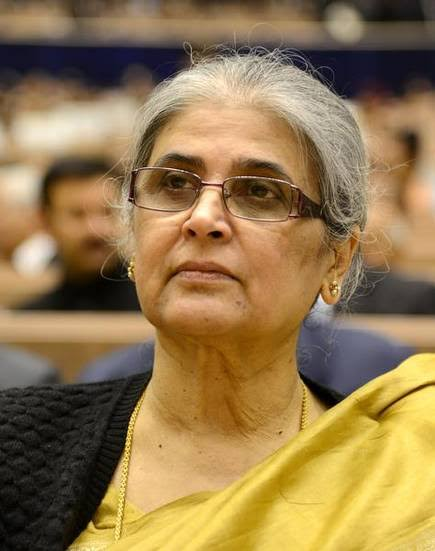
The Chhattisgarh government takes a significant step towards legal reform by constituting a five-member high-level committee to examine and prepare a draft for the implementation of the Uniform Civil Code (UCC) in the state. Chaired by retired Supreme Court Justice Ranjana Prakash Desai-Photo Credit – Internet
Raipur : The Chhattisgarh government has taken a significant step towards legal reform by constituting a five-member high-level committee to examine and prepare a draft for the implementation of the Uniform Civil Code (UCC) in the state. Chaired by retired Supreme Court Justice Ranjana Prakash Desai, the committee has been entrusted with studying the legal, social, and administrative aspects of introducing a common civil law framework that applies equally to all citizens, irrespective of religion.
The decision marks a major milestone in the state’s governance agenda. Rather than rushing into legislation, the government has chosen a consultative approach by appointing an experienced panel of legal experts. This reflects an intention to ensure that the proposed framework is constitutionally sound, socially inclusive, and practically implementable.
A Uniform Civil Code aims to replace religion-specific personal laws governing matters such as marriage, divorce, inheritance, adoption, and succession with a common set of civil laws applicable to every citizen. The concept finds mention in Article 44 of the Directive Principles of State Policy in the Constitution, which encourages the State to strive towards securing a uniform civil code for all citizens. Although the Directive Principles are not legally enforceable, they serve as guiding principles for governance and policy formulation.
Justice Ranjana Prakash Desai’s appointment as the committee chairperson lends credibility and judicial expertise to the exercise. Her long career in the judiciary equips the committee to examine complex legal issues while balancing constitutional values, social realities, and individual rights. The committee is expected to engage with stakeholders, study existing legal frameworks, and recommend provisions that are both equitable and practical.
For Chhattisgarh, the move represents more than a legal initiative. It signals the government’s willingness to modernize civil laws while fostering equality before the law. Supporters of the UCC argue that a common legal framework can strengthen gender justice, simplify legal procedures, eliminate discriminatory practices, and promote national integration. They believe that equal civil laws will ensure that every citizen enjoys the same legal rights and protections.
At the same time, the subject remains sensitive and demands careful consideration. Personal laws are closely linked to religious and cultural traditions, making public consultation an essential part of the drafting process. Legal experts widely agree that any proposed code should respect constitutional guarantees of religious freedom while ensuring justice, equality, and dignity for all sections of society.
The committee’s recommendations will play a crucial role in shaping the future course of the initiative. By examining legal precedents, consulting communities, and evaluating best practices, it can help create a balanced framework that addresses both constitutional principles and public concerns.
As Chhattisgarh embarks on this important journey, the formation of the high-level committee demonstrates a measured and institutional approach to policy-making. Whether or not the Uniform Civil Code is eventually implemented in its proposed form, the process itself offers an opportunity for informed public dialogue on equality, justice, and the evolution of civil laws. The committee’s work is likely to have a lasting impact on the state’s legal landscape and could contribute meaningfully to the broader national conversation on the Uniform Civil Code.

YOU MAY LIKE THIS