Reg No. - CHHBIL/2010/41479ISSN - 2582-919X

Ukraine did not target Putin’s residence… CIA reveals in report
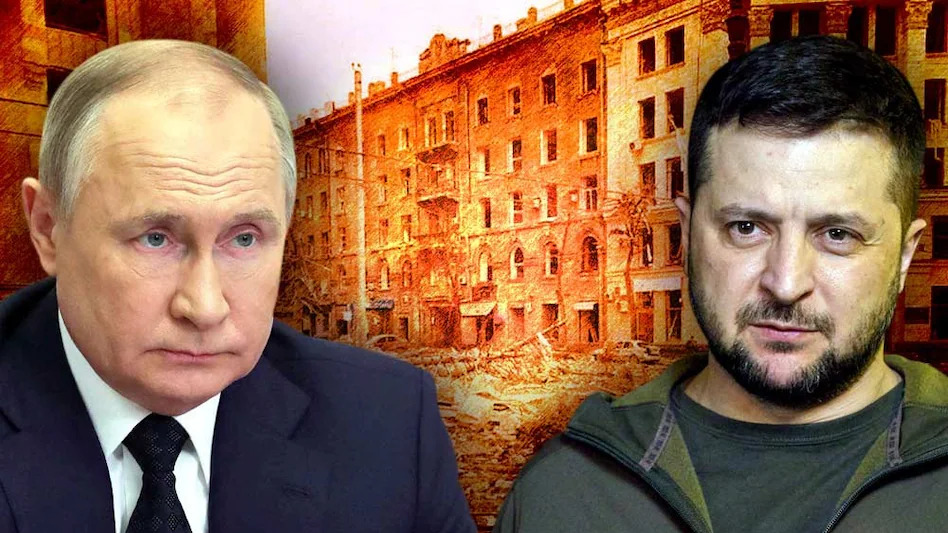
The CIA claims that Ukraine did not target Putin’s residence in Russia.
The US intelligence agency CIA refuted Russia’s claim that Ukraine had launched a drone attack on Russian President Vladimir Putin’s residence. CIA Director John Ratcliffe provided this information to former US President Donald Trump.
The American intelligence agency, the CIA, has refuted Russia’s claim that Ukraine attempted a drone attack on Russian President Vladimir Putin’s residence. The CIA denied the claim, stating that Ukraine did not attempt a drone attack on President Putin’s home. According to American officials, CIA Director John Ratcliffe informed President Trump of this on Wednesday.
Russia’s Claim: Ukraine Launched the Attack
Russia claimed on Monday that Ukraine had attempted to attack Putin’s residence. Trump told the media that Putin had informed him of this during a phone call. At the time, Trump expressed his anger. Ukraine, however, categorically denied any such attack. Trump said, “I didn’t like it, I was very angry.” However, he later added that the accusation might be false, but that Putin himself had told him about it.
CIA’s Counter-Claim
According to sources, Ratcliffe told Trump that the CIA did not believe the Russian claim was true. On Wednesday, Trump posted a link on Truth Social to a New York Post editorial titled, “Putin’s staged ‘attack’ on his residence shows that Russia is the real obstacle to peace.”
Meanwhile, Kremlin spokesman Dmitry Peskov said that he could not currently provide any evidence of the alleged attack. He added that the media should trust the Kremlin’s statement. The CIA declined to comment on Peskov’s statement.
This whole incident comes as Trump is attempting to broker an end to the war in Ukraine. Putin made the accusation just as Trump was meeting with Zelenskyy and hopes for peace were rising. Several European leaders believe that Putin is making this false claim to derail peace talks. The European Union’s foreign policy chief called it a “planned attempt to distract attention.”

YOU MAY LIKE THIS